
A Weekend of Terror
Why a group of FARC remnants launched more than 30 attacks in just 48-hours
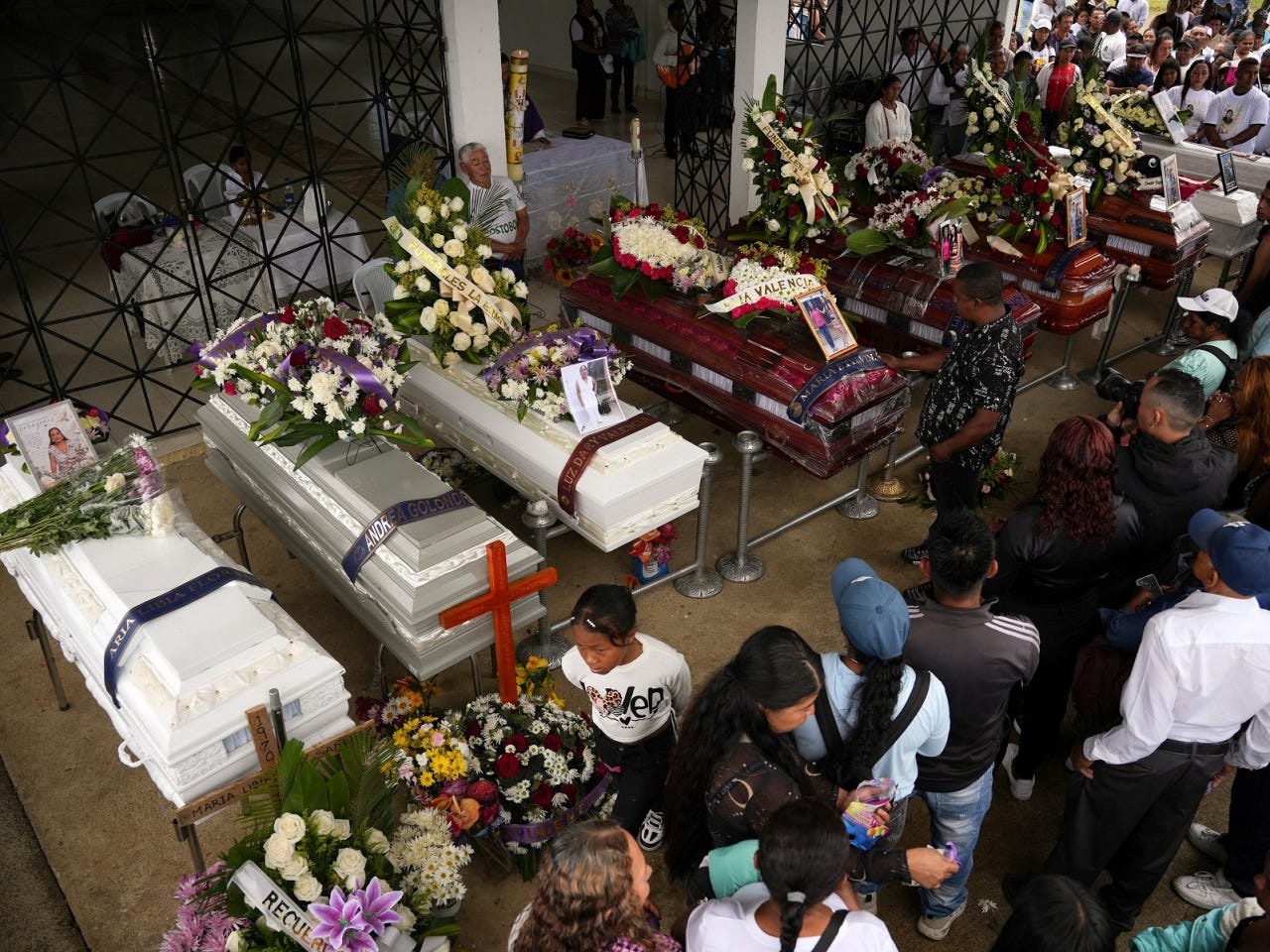
On April 25th, 2026, an illegal roadblock on Colombia’s Pan-American highway froze all traffic near the El Tunel sector in Cauca, trapping dozens of civilians in their vehicles. Armed guerrillas from the Jaime Martinez FARC Front, part of the Central General Staff FARC coalition (FARC-EMC), allegedly set up the roadblock to ambush Colombian soldiers traveling in armored vehicles, and planted an improvised explosive device (IED) modified for remote detonation on the highway.
However, a pamphlet distributed to the trapped civilian drivers somehow alerted the Colombian soldiers to the pending ambush. To avoid it, they disembarked from their vehicles and left the highway to patrol the surrounding area on foot. Not long after midday, the soldiers found the guerrillas hiding in the nearby jungle, triggering a “fierce fight.”
In what the FARC-EMC later claimed was a “tactical error,” the guerrillas’ IED was remotely detonated during the clash, leaving a 200 square-meter crater and littering the surrounding area with twisted metal and bodies. As of the writing of this article, more than 20 civilians have died due to the explosion, making this Colombia’s deadliest terrorist attack in decades.
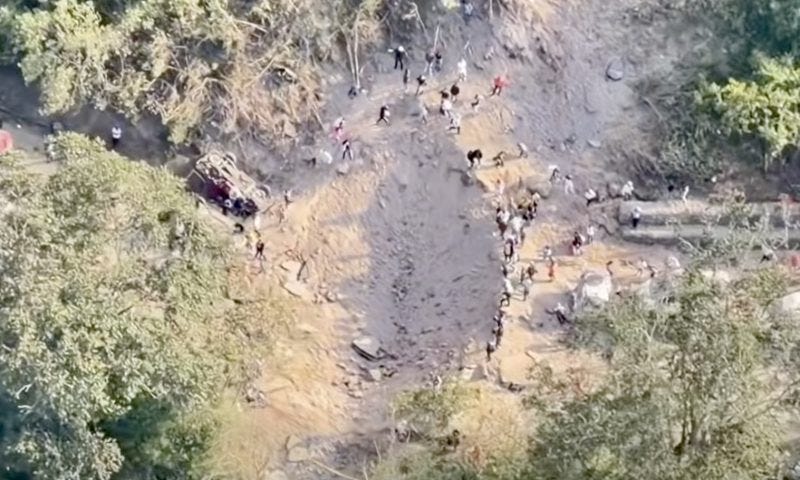
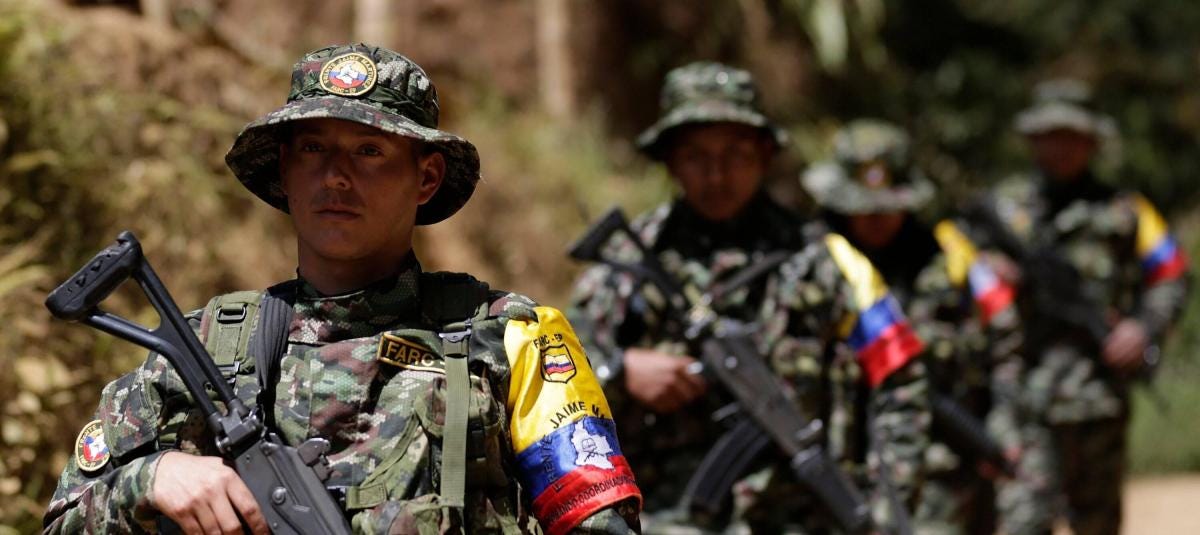
This was not an isolated incident. By the end of the weekend, there had been more than 30 attacks in the departments of Cauca and Valle de Cauca. Most of these attacks were not only attributed to the FARC-EMC, which is particularly strong in the region, but to the Jaime Martinez FARC Front in particular.
Today, the Jaime Martinez FARC Front is led by Ivan Jacobo Idrobo Arredondo, better known as Marlon. He is believed to command approximately 500 fighters, more than one-tenth of the FARC-EMC’s total forces, making him one of the group’s most powerful commanders.
Why Marlon chose to launch so many coordinated attacks over the course of one weekend is not clear. However, many have noted their proximity to Colombia’s May 31st presidential election and that the candidate currently leading in the polls, left-wing senator Ivan Cepeda, has promised to continue peace negotiations with Colombia’s armed groups. Within that context, these attacks may have been calculated to give Marlon leverage in any negotiations with Cepeda.
However, if this was Marlon’s objective, the recent wave of violence was likely counterproductive. A far-right lawyer, Abelardo de la Espriella, has gained momentum in the polls since the attacks, and is calling for “radical order” and a “full military offensive” against Colombia’s armed groups. Meanwhile, Paloma Valencia from the far-right Centro Democratico party has vowed to make former-President Alvaro Uribe, who has alleged ties to Colombian paramilitaries and right-wing death squads, her defense minister if she is elected.
At a glance, an electoral defeat for Cepeda would be detrimental to the Jaime Martinez FARC Front. However, all FARC remnant groups associated with the FARC-EMC, including those commanded by Marlon, have already been weathering a “total offensive” by the Colombian military since 2024. Meanwhile, many of their enemies still enjoy ceasefires with the Colombian government, a distinct advantage in territorial conflicts. Should Colombia’s next president terminate peace negotiations with the rest of Colombia’s armed groups, this could level the playing field and divide the attention of Colombian security forces, lessening military pressure on Marlon and his allies.
Another factor behind the attacks may be an emerging power vacuum within the FARC-EMC. As of April 2026, FARC-EMC commander Ivan Mordisco was reportedly in critical condition and incapable of commanding his forces. Recent infighting within the 18th FARC Front indicates the FARC-EMC may already be facing a violent internal power struggle as a result. In light of this, Marlon may have orchestrated these attacks to broadcast his territorial and military strength and intimidate any rivals.

Regardless of the motives, these recent attacks are only part of Colombia’s rapidly deteriorating security situation. As of 2026, the country has already suffered at least 48 massacres, mostly targeting civilians, and is once again among the top 10 countries in the world most affected by terrorism. Though the scale of violence remains far below its peak in the early 1990s, Colombia’s next president will face an increasingly bloody and fragmented armed conflict that likely has no immediate solution.
If you find Armed Groups of Colombia valuable, consider sending a donation to support my work. The amount is up to you. Thank you!