
FARC Against FARC
The complex status of the FARC's remnants in Colombia
In late January 2026, approximately 40 men and women associated with the FARC Martin Villa front were reportedly resting during the heat of midday in a guerrilla camp in El Retorno, Guaviare. However, while they slept, the camp was surrounded by more than 100 armed individuals. Though initial reports claimed an armed clash followed, subsequent reporting indicated the Martin Villa FARC were disarmed then massacred, leaving 26 or 27 dead. The remainder allegedly managed to flee the camp before they could be executed. The perpetrators were identified as the Isaias Carvajal FARC front, the Martin Villa FARC’s former comrades.
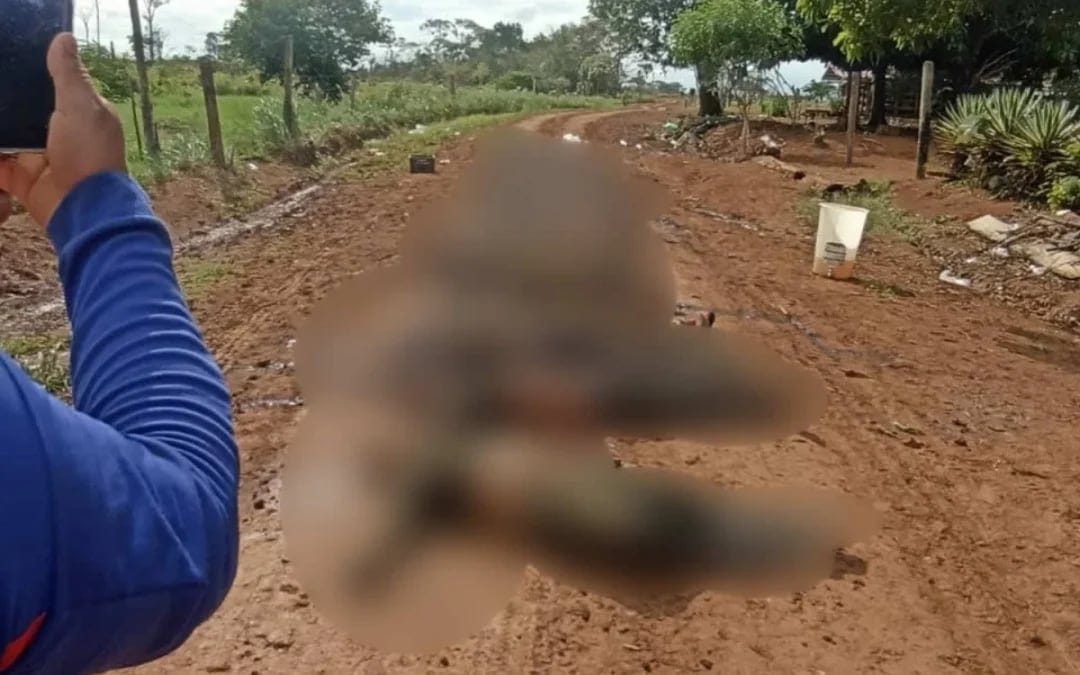
Later in the month, three explosions at Ivan Rios FARC cocaine processing labs in Tumaco, Nariño near the Colombia-Ecuador border left more than 30 dead. Though the first explosion was originally attributed to a gas cylinder and “human error,” delegates from the group’s leadership argued the explosions could have been caused by drone strikes, with at least one publication speculating that the United States or Ecuador were responsible. When both the FARC and indigenous Awa leaders instead pointed the finger at other FARC fronts as the perpetrators, the publication dismissed this saying the attackers’ “coordinated and precise operations at distant points in the Nariño region weaken that hypothesis.” However, El Tiempo attributed the attack directly to the FARC Oliver Sinisterra front, itself a former ally of the Ivan Rios FARC.
Both of these events give important insight into the FARC as it operates today. In spite of hopes the FARC had come to an end after agreeing to disarm in 2017, remnants of the FARC, collectively referred to as “FARC dissidents,” continue to operate in Colombia, producing and trafficking drugs and launching violent attacks. However, they no longer have the original FARC’s homogenous structure, instead operating as a series of criminal factions with their own territories and alliances. Additionally, these FARC factions sometimes violently compete with each other for territory or access to illicit sources of revenue.
This more chaotic iteration of the FARC emerged during the 2016 peace negotiations that signaled the end of the original FARC organization. At that time, FARC commanders operating under the aliases Ivan Mordisco and Gentil Duarte defected and refused to participate in the peace talks, electing instead to continue trafficking drugs. They also attempted to persuade other FARC commanders throughout the country to join them with wild success. By April 2017, they declared themselves to be the Central General Staff (FARC-EMC) and the legitimate continuation of the FARC. However, the FARC-EMC soon faced competition with the emergence of the Second Marquetalia (FARC-SM), a new coalition of FARC dissidents led by FARC commanders who had initially disarmed but, by August 2019, accused the Colombian government of betraying the peace agreements. By 2023, the FARC-EMC had declared war against the FARC-SM, whose leaders it called “paramilitaries and traitors,” plunging disputed territories in Colombia into violent chaos.
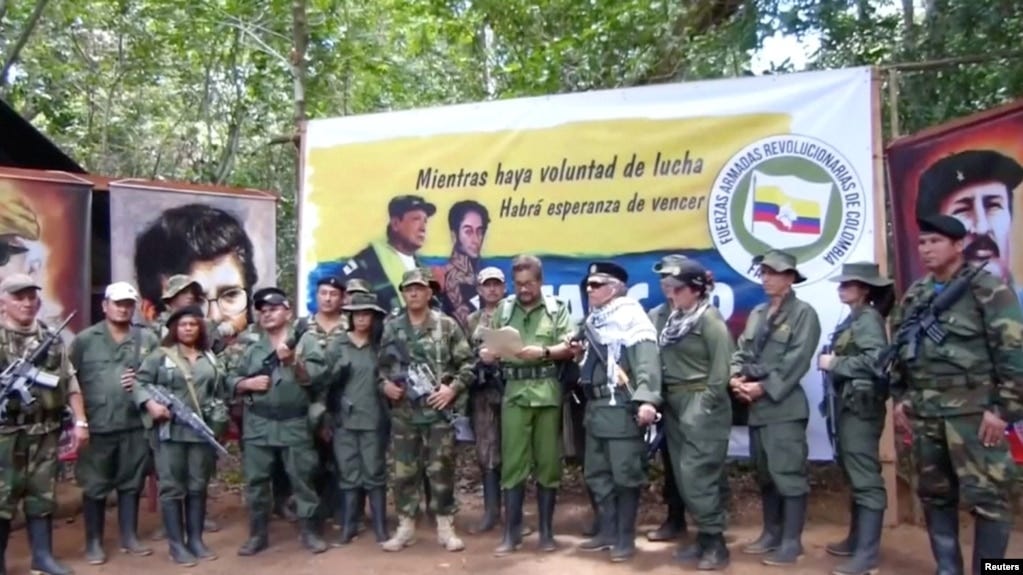
Colombian President Gustavo Petro’s efforts to convince the FARC-EMC and FARC-SM to disarm through renewed peace negotiations, part of a process he called “total peace,” began with promise but instead caused further schisms as fronts in each group disagreed over whether to continue negotiating. These internal disputes led new coalitions to form known as the General Staff of Blocks and Front (FARC-EMBF), which split from FARC-EMC, and the National Bolivarian Army Coordinator (FARC-CNEB), which split from FARC-SM. Competition between these new coalitions and their former respective “parent” organizations were at the heart of both the Guaviare massacre and Nariño drone attacks in January 2026.
Today, the FARC dissidents represent one of Colombia’s most severe and complex security risks. Furthermore, they are arguably the most powerful they have been since the 2016 peace agreement due to cease-fires from “total peace” negotiations allowing the FARC dissidents to consolidate territorial control and compete against non-state rivals without fear of possible Colombian military attacks. As Colombia prepares to elect its next president this year, a central question they will face is whether the solution to the FARC dissident problem is to continue Petro’s pursuit of peace, which has so far failed, or to resume a full military response, which is unlikely to succeed without incurring heavy costs.
If you find Armed Groups of Colombia valuable, consider sending a donation to support my work. The amount is up to you. Thank you!