
War in Catatumbo
Armed groups fight to control cocaine production near the Colombia-Venezuela border
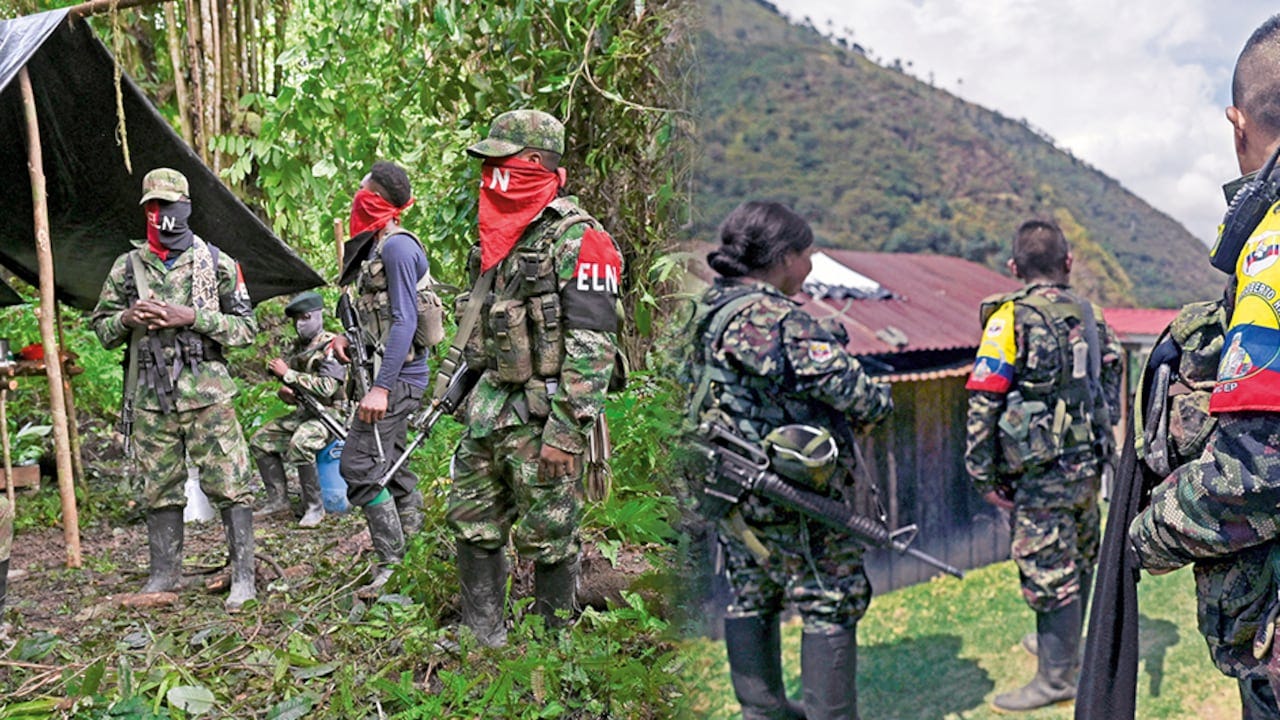
On January 15th, 2025, the director of a funeral home in Tibu, Norte de Santander, and his family were driving a hearse towards Cucuta, along the roads of the department’s mountainous Catatumbo region. The area, near the Colombia-Venezuela border, has a long history of violence as a series of armed groups have competed for control of its cocaine production and trafficking routes. The presence of the National Liberation Army (ELN) and FARC 33rd front, coupled with the absence of police or military forces, made the director’s work in the region particularly dangerous as he often had to retrieve bodies from these groups’ areas of operation and required their consent to enter disputed territories.
At the time, the region was experiencing a period of relative peace, as the ELN and FARC 33rd front had agreed to a non-aggression pact in 2022 after working together to successfully expel the Popular Liberation Army (EPL) from the area. Even so, tensions remained high as both groups used ongoing ceasefires with the Colombian government to entrench themselves within their regional territories, and were carrying out selective homicides, distributing propaganda, and recruiting new fighters, including children. By 2023, locals already felt that “peace” in Catatumbo faced imminent collapse.
What happened on Catatumbo’s roads that day remains unclear. By one account the ELN had killed several members of the FARC 33rd front and warned the funeral director to leave the bodies be, an order he allegedly ignored. By another account, he may have used his hearse to transport unspecified items the FARC 33rd front had “not authorized” him to carry. Regardless, armed men intercepted the vehicle and opened fire, killing him. Upon realizing his family was also in the vehicle, the attackers shot them as well, killing his wife and infant child “to eliminate any witnesses.” Only the couple’s 10-year-old son survived. Both the ELN and FARC 33rd front denied responsibility for the killings, with InSight Crime reporting the ELN was the most likely perpetrator while Colombian authorities accused the FARC 33rd front.
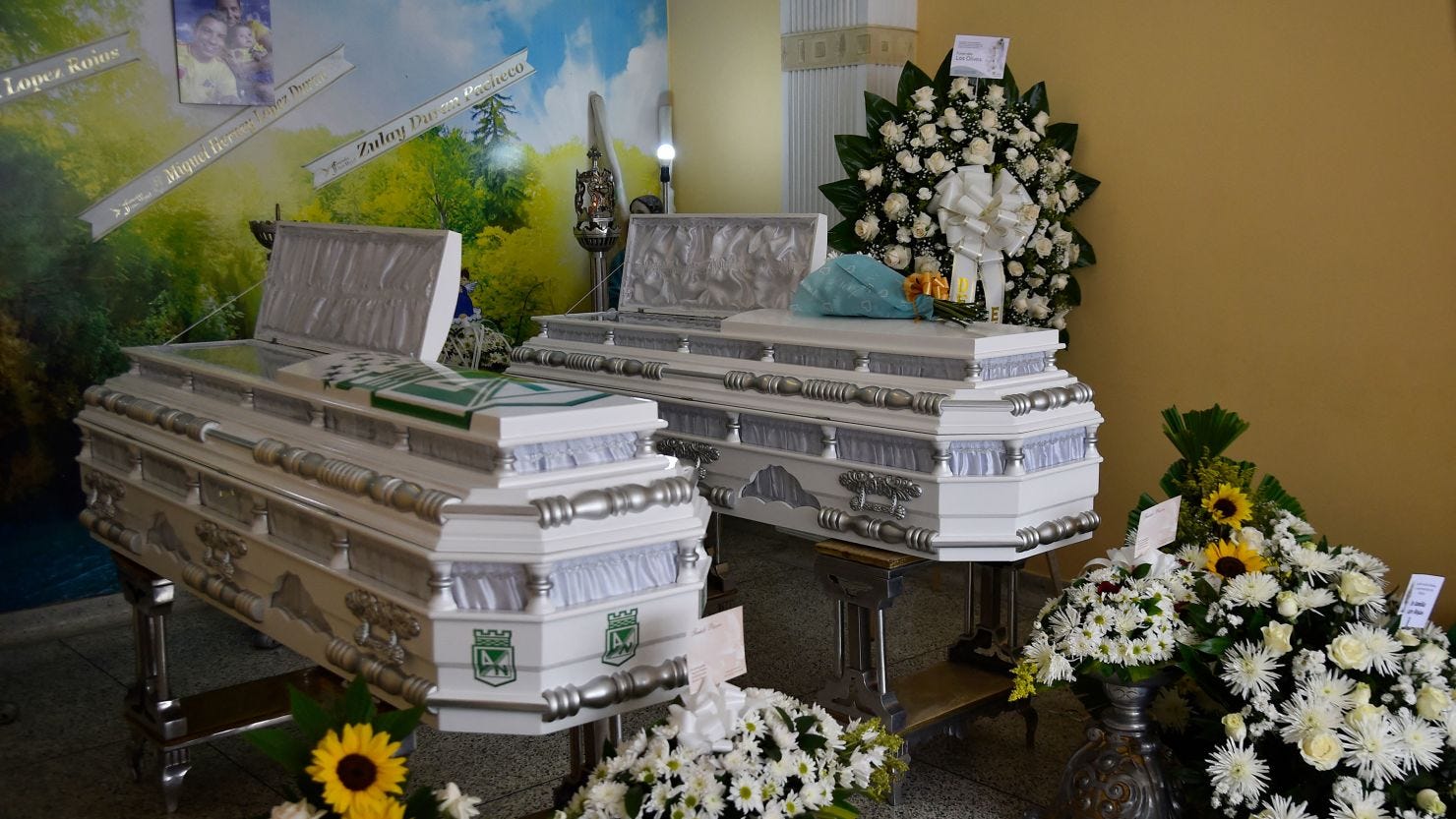
Regardless, the ELN used the deaths as an excuse to launch an offensive that it had likely spent weeks if not months preparing. Reinforcing itself from nearby territories including Arauca, the ELN amassed approximately 2,000 fighters, dwarfing the FARC 33rd front’s force of less than 500. In addition, the ELN allegedly invaded the 33rd front’s territory with 200 guerrillas from Venezuela, indicating the attack occurred with the consent of the Venezuelan government. The 33rd front was completely unprepared for the ELN’s assault, and within a week had lost approximately 40% of its forces. As the fighting raged, both sides were responsible for civilian deaths, seeking out victims in their homes or workplaces and killing them in the streets. By May 2025, at least 117 people were dead, more than 50,000 had fled, and the ELN had successfully established itself as the region’s “de facto hegemonic power.”
Presumably facing defeat, the FARC 33rd front reached an agreement with the Colombian government to disarm and relocate its forces to a designated “peace zone” in Tibu. However, a high-ranking leader, alias Richard, posted videos on social media promising “vengeance” against the ELN, and by July 2025 the FARC 33rd front had reportedly made no significant progress moving its forces to their designated disarmament zone. Come December, the group had apparently launched a new offensive to retake its lost territory in Catatumbo, seizing at least one rural district, killing an alleged ELN “collaborator,” and launching attacks with explosive drones.
The outcome of the war in Catatumbo remains uncertain, but the January 2026 capture of Venezuelan President Nicolas Maduro may have cost the ELN a key ally. Additionally, as FARC dissidents have done in the past, the 33rd front may have actually used its negotiations with the Colombian government to attack the ELN without fear of reprisals from government forces, a luxury the ELN lost following its January 2025 offensive. Alias Calarca Cordoba, the leader of the FARC General Staff of Blocks and Front coalition (FARC-EMBF), the FARC 33rd front’s parent organization, allegedly even referred to Colombian President Gustavo Petro as an “ally.” However, no matter the outcome, the war in Catatumbo has made it clear that President Petro’s hopes of achieving a lasting “total peace” in Colombia remain, for the time being, in shambles. So long as armed groups like the ELN and FARC dissidents continue to view drug trafficking, and the violence it often necessitates, as preferable to disarmament and civilian life, peace will remain outside of Colombia’s reach no matter how much its people both want and deserve it.
If you find Armed Groups of Colombia valuable, consider sending a donation to support my work. The amount is up to you. Thank you!