
Extortive Taxation
How Colombian armed groups use extortion to exercise social control in their territories
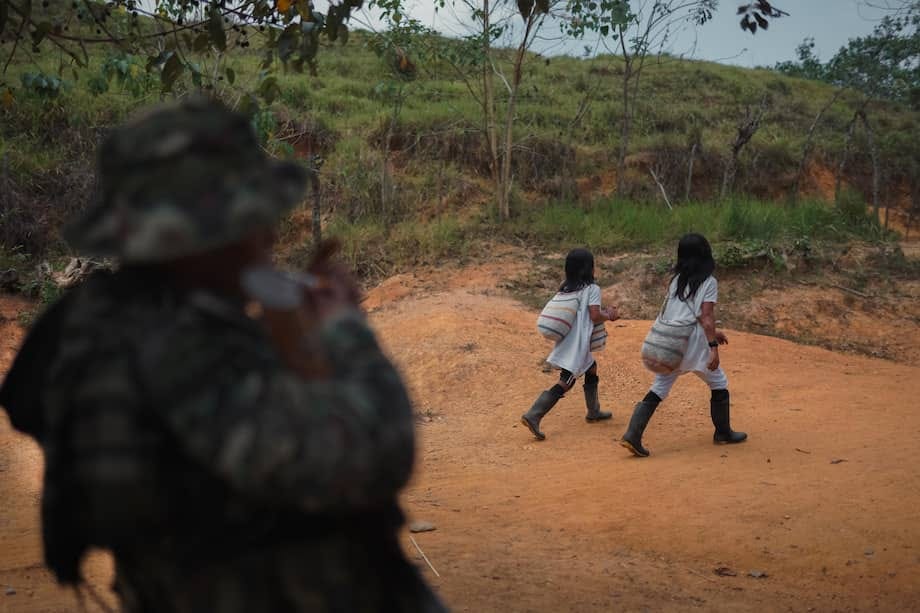
In the aftermath of Colombia’s 2026 presidential election, inhabitants of the Los Andes municipality of Nariño began receiving threatening audio messages through WhatsApp, a popular app. The messages were from the FARC-EMC Franco Benavides Front, one of the dominant armed groups in the area.

In their messages, the Franco Benavides FARC ordered all local civilians above the age of 14, including community leaders, to gather for a “mass meeting” at a local sports center. There, the guerrillas demanded that anyone who voted for Abelardo de la Espriella—the victorious far-right presidential candidate who had vowed to wage war against Colombian armed groups—come forward. When “no one dared to do so,” according to a witness, the guerrillas then announced they possessed everyone’s voting records, had already identified de la Espriella’s voters, and would charge them a “tax to the revolution” of 30 million pesos (approximately $9,000 USD) in retribution.

FARC rebels are not the only armed groups in Colombia to collect “taxes” like these in their territories. The EGC (Gulf Clan), Colombia’s largest armed group, is notorious for collecting what it calls “war taxes” in dozens of Colombian municipalities, for example. Armed groups participate in this practice primarily because of the illicit wealth it can generate, with recent reports alleging that the ACSN paramilitary group alone earns up to 7,000 million pesos (approximately $2 million USD) every month just by extorting the tourist industry in Santa Marta, Magdalena.
This illicit revenue has motivated Colombian armed groups to expand their territories beyond the country’s coca cultivation and drug trafficking hotspots. On July 11th, 2026, EGC fighters seized control of an otherwise peaceful rural community along the Cauca River just miles from the city of Manizalez in Caldas solely to begin taxing local farmers and illegal miners in the area.
As demonstrated by the Franco Benavides FARC in Nariño, however, armed groups can use taxation for more than just generating revenue. The practice also serves as a powerful tool to control local communities and punish civilians or businesses that violate the group’s directives.
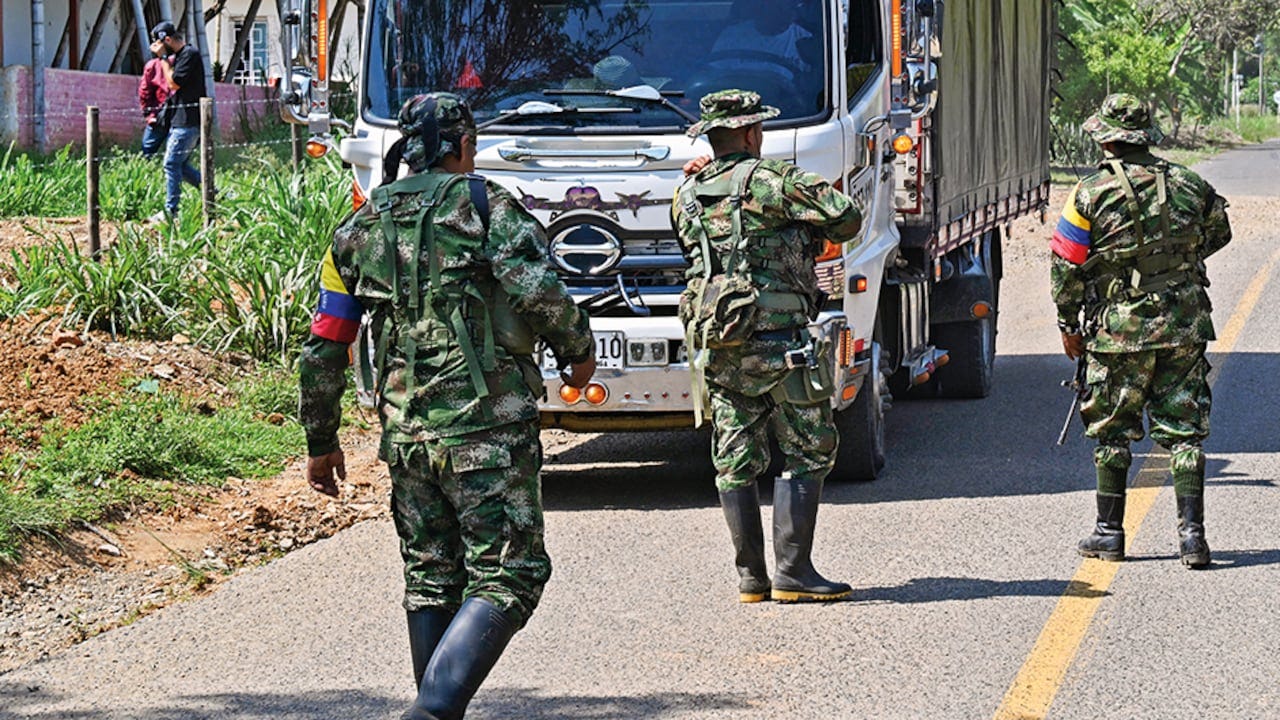
For these reasons, armed groups are quick to retaliate when their attempts to collect their “taxes” are rebuffed. In Popayan, the ELN declared Urbaser, a waste management disposal company, a legitimate “military objective” after the company refused to pay extortion to the group. The ELN then retaliated by ordering all waste collection services to halt, and opening fire at and burning garbage trucks that violated the order, triggering a full-blown waste management crisis in the city.
Armed groups also do not tolerate the payment of “taxes” to their rivals. In 2026, the FARC-EMBF 4th Front ordered all mining operations to cease in the municipalities of Segovia and Remedios, Antioquia, accusing the industry of collaborating with the EGC, the group’s regional enemy. Nearby ELN fighters went a step further, declaring they would attack any miners who did not begin paying the EGC’s local 10% gold extraction tax to the ELN instead.

Competition over local extortion rackets can wreak havoc on territorial economies and industries. In July 2026, the Association of Banana Growers of Magdalena and La Guajira warned that conflict between the ACSN and EGC had effectively shut down banana production in the area, as armed fighters from the rival groups entered banana plantations and demanded managers pay them for “security guarantees,” and threatened to kill workers who left their homes unless their demands were met.


The practice of extortive taxation, and the enormous profits that are reaped from it, contributes to the resilience of Colombian armed groups. Even if the Colombian government were able to successfully eradicate coca cultivation in the country, armed groups would remain capable of financing their operations by maintaining control of remote and isolated communities. So long as the Colombian state remains incapable of establishing even a symbolic presence throughout the national territory, armed groups will continue to fester.
Next week, Armed Groups of Colombia will explore the growing presence of Colombian armed groups in Panama and why EGC and FARC forces appear to be migrating there.
If you find Armed Groups of Colombia valuable, consider sending a donation. The amount is up to you. Thank you!