
The Colombian Armed Groups Catalogue
Breaking down Colombia's armed groups and their affiliations
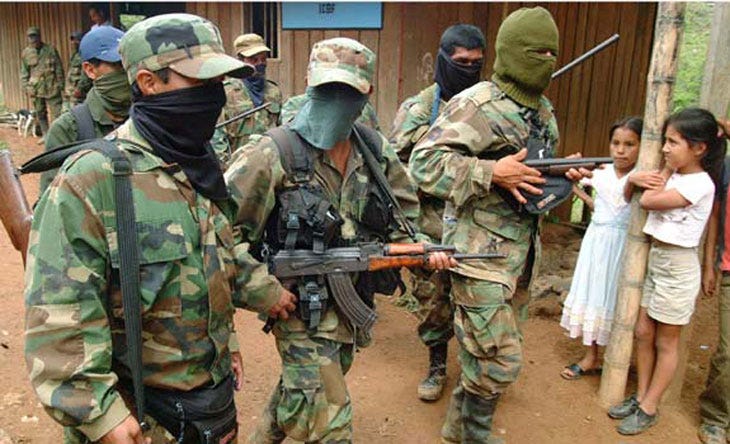
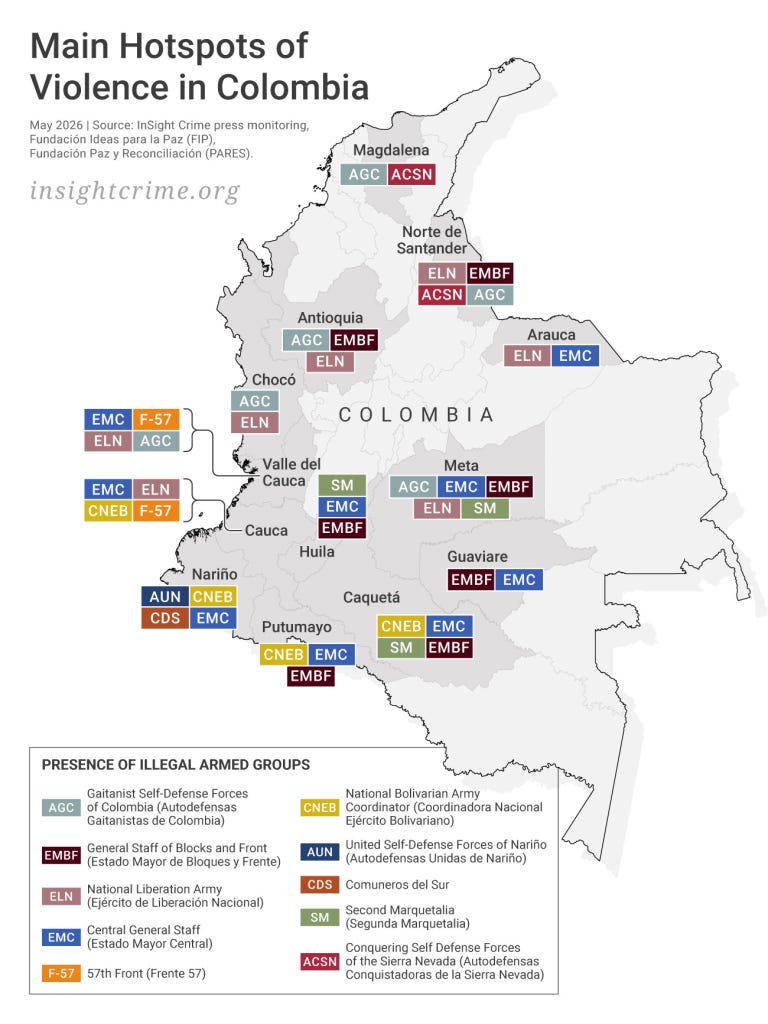
As of 2026, Colombia was estimated to have approximately 60 armed groups with a combined force exceeding 27,000 members. About half of these armed groups are remnants of the FARC, while the remainder include the National Liberation Army (ELN), remnants of Colombia’s far-right paramilitaries, and various cartels and gangs.
I have created this catalogue to help readers of Armed Groups of Colombia keep track of Colombia’s many armed groups and their relationships with one another. Information has been pulled from a combination of official government reporting, independent publications, and statements from members of the armed groups themselves.
The Armed Groups Catalogue is not comprehensive and may not immediately reflect reality on the ground. As new reporting comes to light, I will continue to update this article to the best of my abilities.
Left-Wing Insurgents
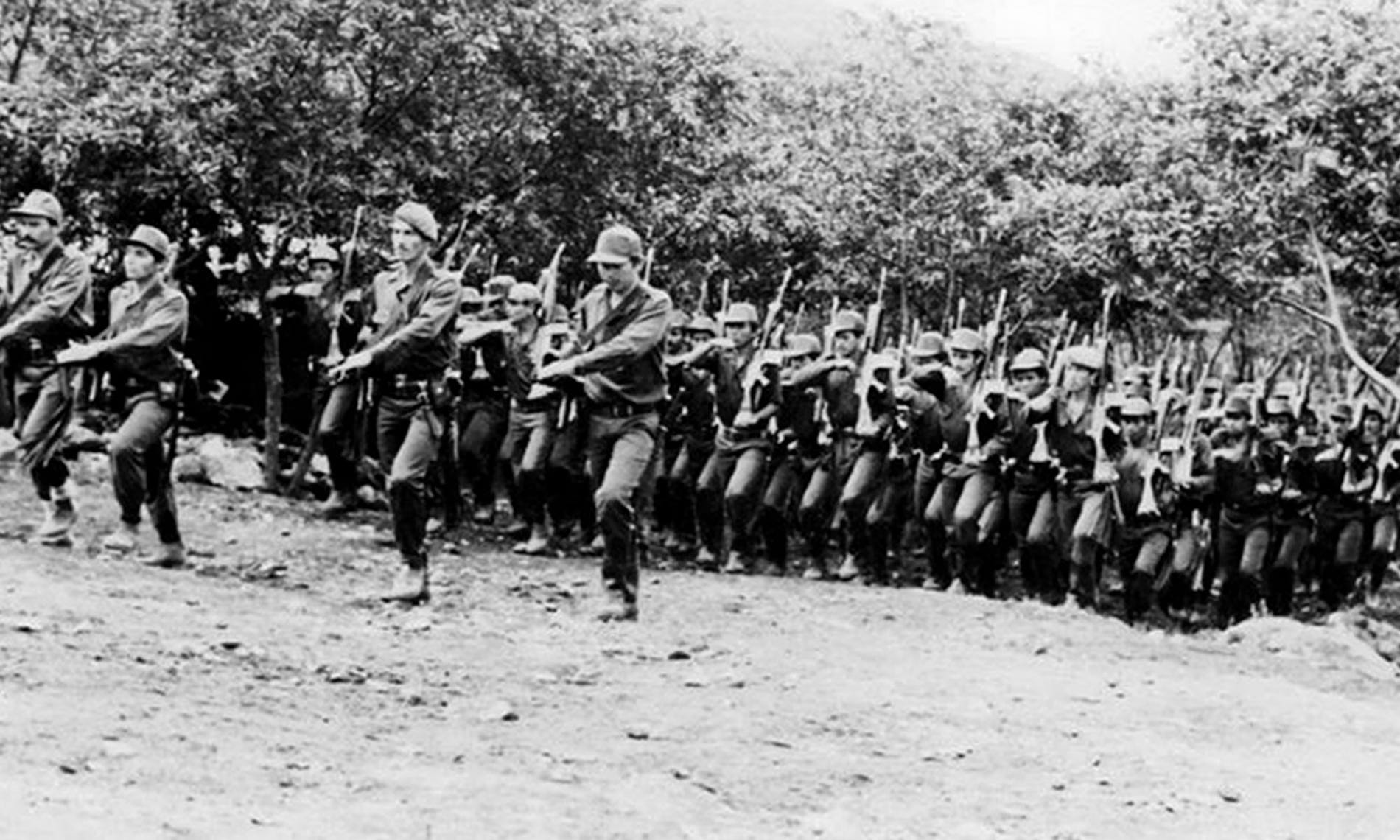
Colombia’s left-wing insurgencies first emerged in 1964, though they trace their roots to La Violencia, a brutal civil war that claimed over 200,000 lives in the 1950s. In the face of political and economic strife, banditry, and land grabbing, Colombia’s poor, rural, and Indigenous populations struggled to survive. In response, peasants in Colombia’s south began organizing into defense forces and constructing “independent republics,” the most prominent being the Republic of Marquetalia.
In 1964, the Colombian government launched Operation Marquetalia to dismantle the enclave. However, after engaging in intense combat to enter the village, the army found the peasant guerrillas had escaped. Two years later, the guerrillas declared themselves to be “victims of the policy of fire and sword” and called for an “armed revolutionary struggle to win power,” giving rise to the Revolutionary Armed Forces of Colombia (FARC).
Meanwhile, during Operation Marquetalia, a group of Colombian students returned from Cuba. Inspired by Fidel Castro’s Cuba Revolution, Che Guevarra’s revolutionary philosophy, and a Catholic religious movement against poverty known as “revolution theology,” they formed the National Liberation Army (ELN), a Marxist-Leninist insurgent movement.
While the ELN and guerrilla movements descending from the original FARC continue to operate in Colombia today, whether their goals remain political or have become purely economic is hotly debated.
National Liberation Army (ELN)
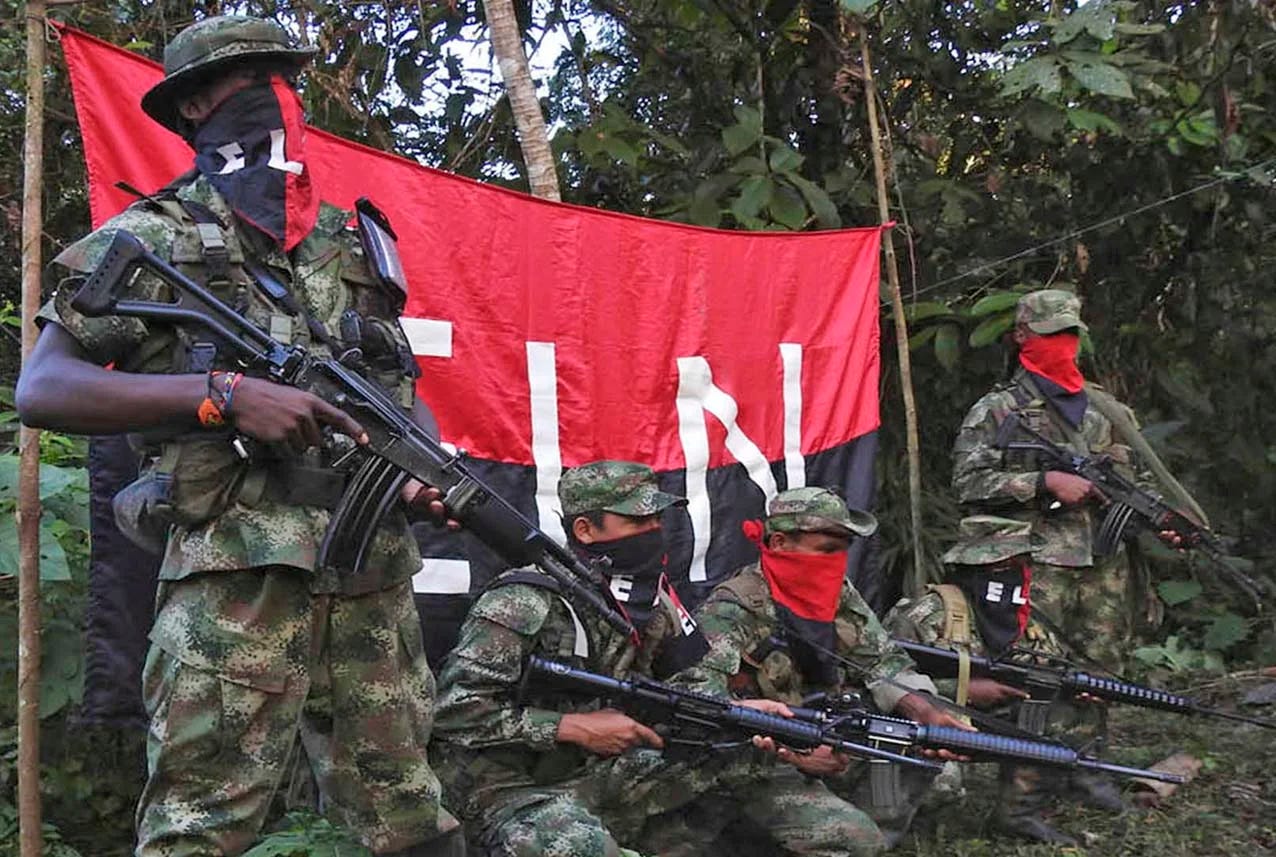
Today, the ELN is Colombia’s oldest and strongest insurgency, believed to have over 6,800 members as of 2025. It is active in at least 19 of Colombia’s 32 departments, and is actively waging a war in Colombia’s Catatumbo region to seize control of the entire Colombia-Venezuela border. The ELN also has a strong presence in Venezuela, where it operates as a pro-government paramilitary force, and is also reportedly active in northern Ecuador and Guyana’s Essequibo region.
Leadership Structure
The ELN is lead by the Central Command (COCE) comprising five ELN commanders making the group’s “most important decisions.” Below COCE is the ELN’s National Directorate (DINAL) comprising 23 members elected by the ELN’s eight war fronts. As of 2026, the COCE and DINAL were reportedly based in or near the Colombian region of Catatumbo.
For their part, these war fronts each have their own commanders who are granted a degree of autonomy in their operations and finances. War fronts also have their own armed subdivisions.
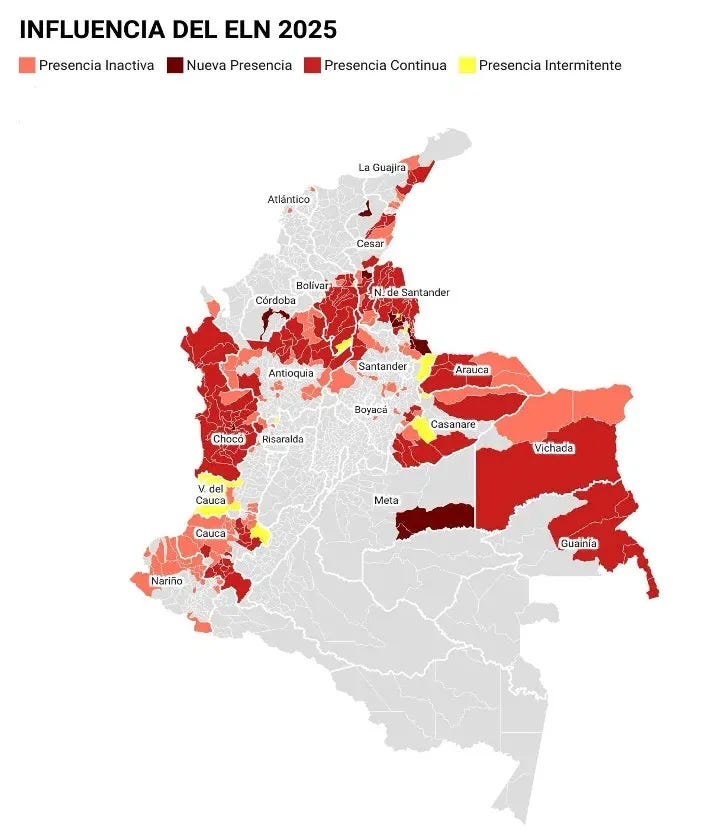
Northeastern War Front (FGNO, Manuel Perez Martinez War Front) Active in the Colombian departments of Norte de Santander and Cesar, and in the Venezuelan state of Zulia. Provides security for the ELN’s leadership.
Camilo Torres Restrepo Front
Captain Francisco Front
Captain Mauricio Front
Captain Parmenio Front
Carlos Cacua Front
Heroes of Catatumbo Front
Luis Enrique Leon Guerra Front
Northern War Front (FGN) Active in the Colombian departments of Atlantico, Cesar, La Guajira, and Magdalena, and in the Venezuelan states of Zulia and Tachira.
Jose Manuel Martinez Quiroz Front
6th of December Front
Jaime Bateman Cayon Front
Francisco Javier Castaño Front
Luciano Ariza Front
Eastern War Front (FGO, Manuel Vasquez Castaño War Front) Active in the Colombian departments of Arauca, Boyaca, Casanare, Guainia, and Vichada, and in the Venezuelan states of Amazonas, Apure, and Tachira.
Domingo Lain Saenz Front
Adonay Ardila Front
Efrain Pabon Front
Jose David Suarez Front
Western War Front (FGO, Omar Gomez War Front) Active in the Colombian departments of Choco and Risaralda.
Ernesto “Che” Guevara Front
Manuel Hernandez Front
Cacique Calarca Front
Resistencia Cimarron Front
Cacique Calarca Mobile Company
Manuel Hernandez El Boche Front
Southwestern War Front (FGSO, Carlos Alberto Troches Zuleta War Front) Active in the Colombian departments of Cauca and Nariño.
Manuel Vasquez Front
Frente Guerreros del Sindagua Front
Lucho Quintero and Jaime Tono Companies
Central War Front (FGC) Active in the Colombian departments of Antioquia, Risaralda, and Tolima.
Liberators Front
Bernardo Lopez Arroyave Front
Bolcheviques del Libano Front
National Urban War Front (FGUN, Camilo Torres Restrepo War Front) Active in Colombia’s major cities including Barranquilla, Bogota, Cali, and Medellin.
Jorge Eliecer Gaitan Front
Omaira Montoya Henao Front
Carlos German Velasco Villamizar Front
Kaleb Gomez Padron Front
Jesus Dario Ramirez Castro War Front (FGJDR) Active in the Colombian departments of Antioquia and Southern Bolivar.
Edgar Grimaldos Companies
Heroes and Martyrs of Anori and Santa Rosa
Jose Sepulveda Front
Luis Ariza Front
Comrade Tomas and Jose Antonio Galan Front
Southern Commoners Front (FCS)
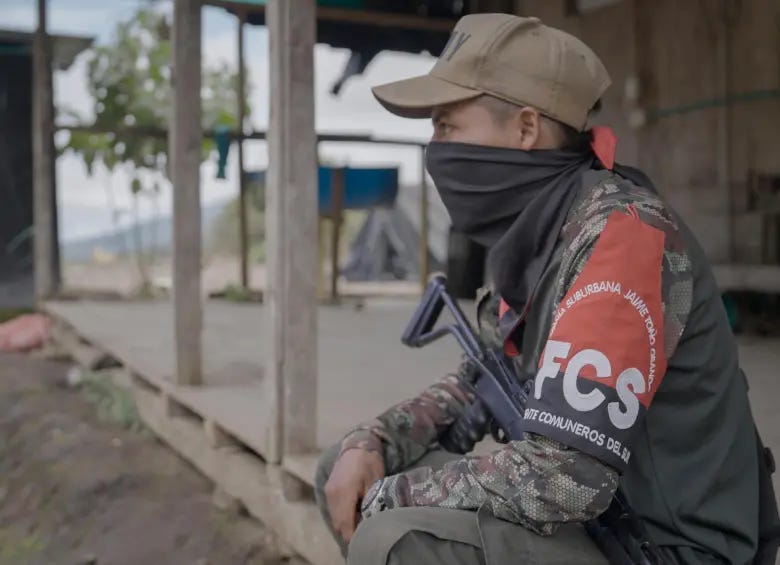
The FCS is an armed group that was once part of the ELN’s Southwestern War Front (FGSO), but had become independent to pursue peace negotiations with the Colombian government in 2024. The group is active in the Colombian department of Nariño as well as the Ecuadorian province of Esmeraldas. The FCS was believed to have just 100–300 active members in 2025, making it one of Colombia’s weaker armed groups.
Self-Defense Forces of Nariño (AUN)
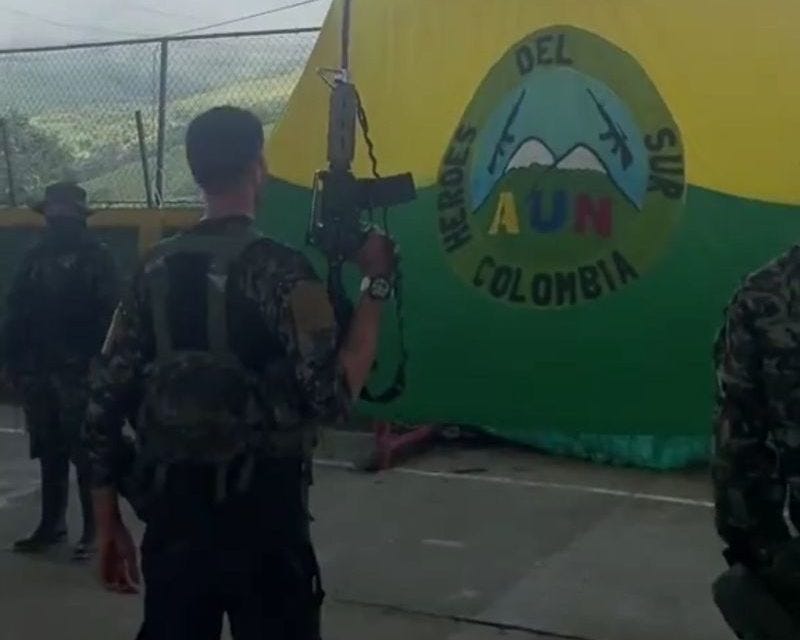
The AUN first emerged in Nariño in late-2024. Though ostensibly a paramilitary self-defense force organized to fight the rapidly expanding FARC-EMC, locals suspected the AUN was actually created by the FCS. As of December 2024, the AUN had accrued approximately 350 armed fighters, which would more than double the FCS’s suspected strength.
The FCS allegedly uses the AUN to carry out criminal activities “head on” that could otherwise disrupt its peace negotiations with the Colombian government. These include narcotrafficking, illegal mining, and direct coordination with the Ecuadorian Los Lobos and Los Choneros gangs.
FARC Remnants
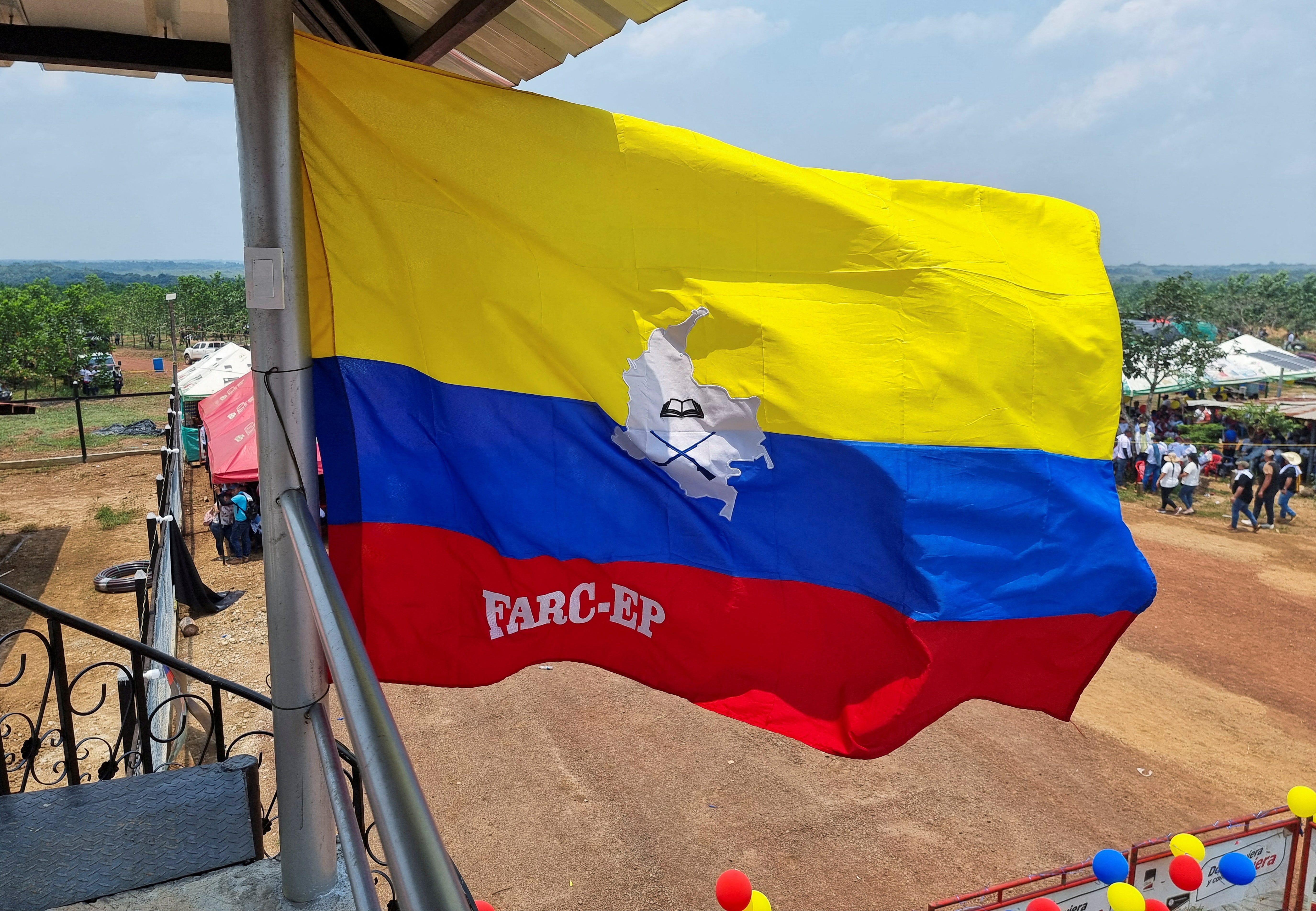
During and after the 2016 demobilization of the FARC, thousands of FARC fighters either refused to lay down their arms or returned to guerrilla activity, giving rise to the FARC remnants, also known as FARC dissidents or the Ex-FARC Mafia. Unlike the original FARC, FARC remnants have no clear centralized leadership, with local commanders instead forming coalitions and alliances amongst themselves to safeguard their criminal interests.
Today, most FARC remnants have joined one of four coalitions: the Central General Staff (FARC-EMC), General Staff of Blocks and Front (FARC-EMBF), Second Marquetalia (FARC-SM), or Bolivarian National Army Coordinator (FARC-CNEB). However, some FARC groups continue to operate independently.
Central General Staff (FARC-EMC)
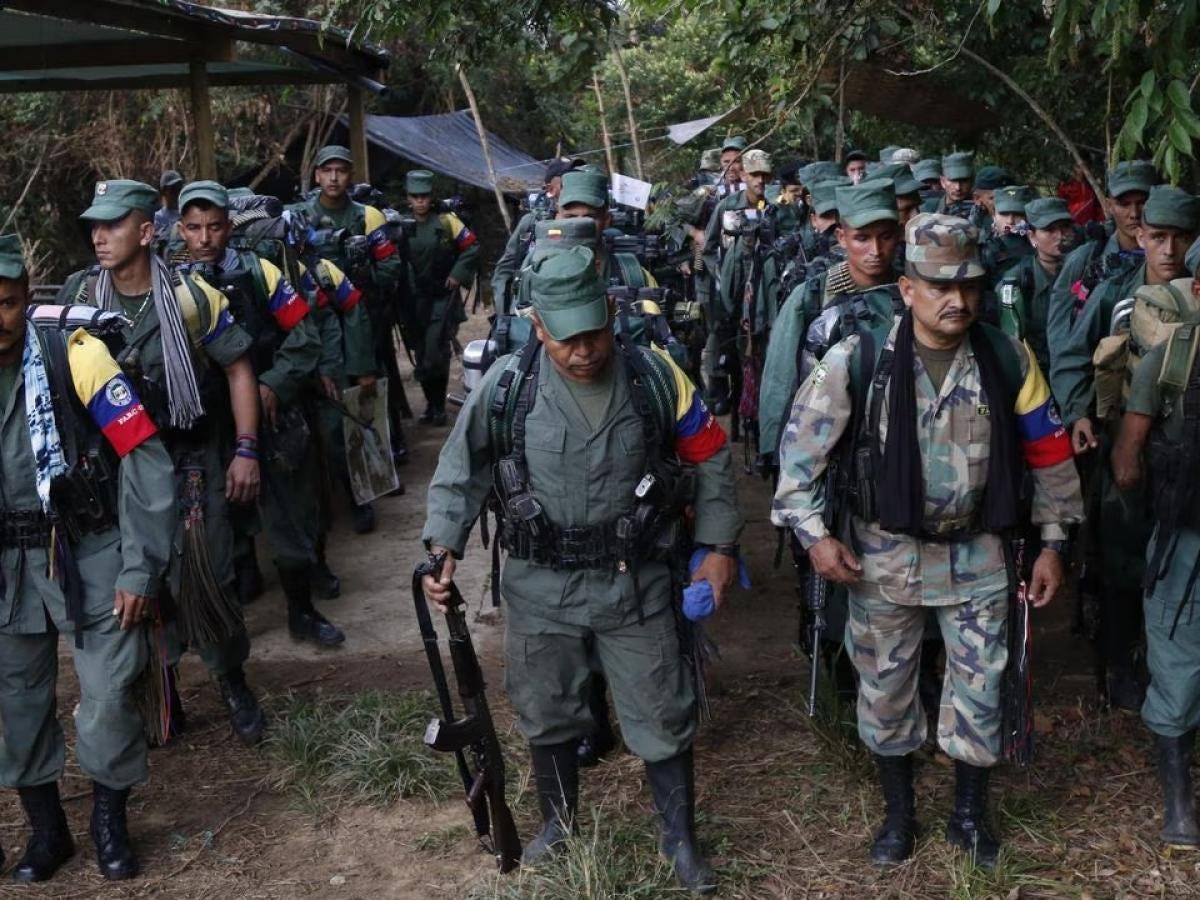
During the 2016 peace negotiations, FARC commanders Ivan Mordisco and Gentil Duarte defected and refused to participate in the peace talks, electing instead to continue trafficking drugs. They also attempted to persuade other FARC commanders throughout the country to join them with wild success. By April 2017, they declared themselves to be the Central General Staff (FARC-EMC) and the legitimate continuation of the FARC.
However, disputes over whether to negotiate or wage war against the Colombian state led to an internal schism in 2024, culminating in several FARC-EMC branches breaking away to form a new FARC coalition known as the Central Staff of Blocks and Front (FARC-EMBF). The two groups have since been at war for control of their formerly shared territories.
The FARC-EMC was believed to have more than 4,000 fighters in 2025, making it the largest and most powerful FARC remnant coalition. It is primarily based in Colombia’s eastern jungles and in the southwestern departments of Cauca and Valle de Cauca, but is also active along Colombia’s borders with Brazil, Ecuador, Peru, and Venezuela.
Leadership Structure
The FARC-EMC is currently led by Ivan Mordisco. However, following injuries he sustained in March 2026, Mordisco’s power and influence within the group have been severely weakened. This has left the FARC-EMC fragmented, sparking infighting and other acts of violence throughout Colombia.
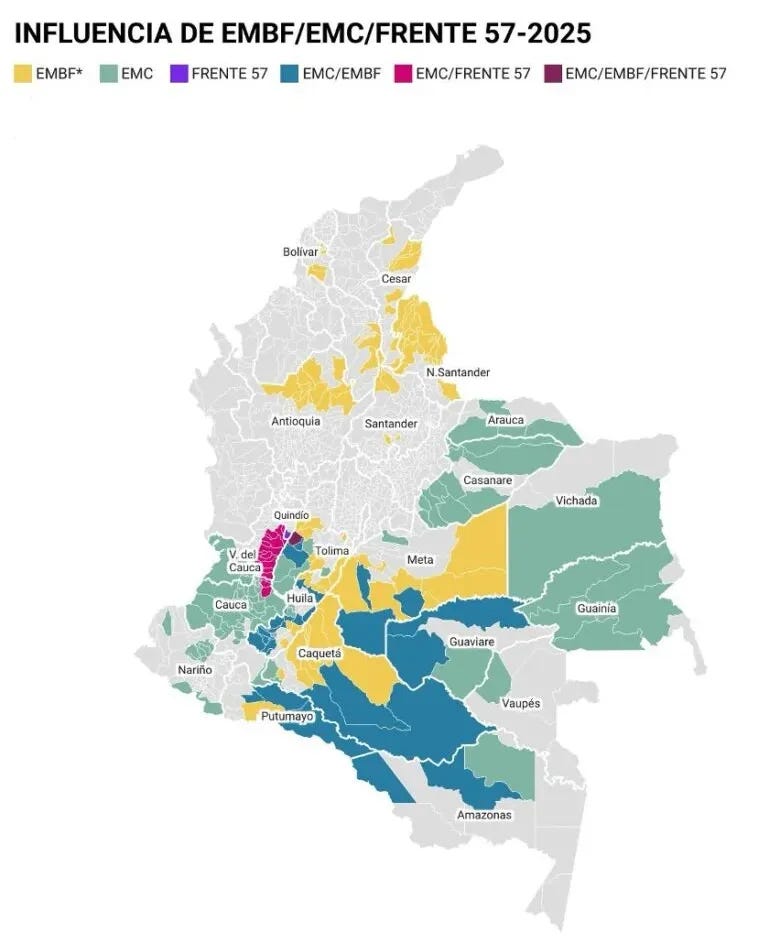
41st Front (Cacique Uprar) Active in the Colombian departments of Cesar and Norte de Santander.
Western Block (Jacobo Arenas) Active in the Colombian departments of Cauca, Huila, Nariño, Tolima and Valle de Cauca.
6th Front
30th Front (Rafael Aguilera, United Force of the Pacific)
Dagoberto Ramos Front
Jaime Martinez Front
Carlos Patiño Front
Alan Rodriguez Mobile Column
Franco Benavides Front
Urias Rondon Mobile Column
Miller Perdomo Front
Manuel Marulanda Velez Front
Manuel Cepeda Vargas Urban Front
Isaias Pardo Block (Central Block)
Ismael Ruiz Front
26th of March Front
Hernando Gonzalez Acosta Front
Jeronimo Galeano Front
Heroes of Marquetalia Front
Adan Izquierdo Mobile Column
Southeastern Front (Amazonas Block, Manuel Morulanda Velez) Active in the Colombian departments of Amazonas, Caqueta, Cauca, Guainia, Guaviare, Meta, Putumayo, Vaupes, and Vichada and in parts of Venezuela.
1st Front (Armando Rios)
7th Front
39th Front (Arcesio Niño)
40th Front
44th Front (Antonio Ricuarte)
48th Front (Carolina Ramirez)
62nd Front
Amazonas Front (Jhonier Arenas)
Carolina Ramirez Front
Heroes of Marquetalia Front
Commander Jorge Briceño Block
Miller Perdomo Company
Joint Eastern Command (Martin Villa) Active in the Colombian departments of Arauca, Boyaca, Casanare, Guaviare, and Norte de Santander, as well as in Venezuela.
10th Front (Guadalupe Salcedo, Martin Villa)
28th Front (Jose Maria Cordoba)
45th Front (Atanasio Girardot)
General Staff of Blocks and Front (FARC-EMBF)

The FARC-EMBF is a breakaway faction of the FARC-EMC. The split occurred when several FARC-EMC fronts elected to continue negotiations with the Colombian government 2024, rejecting FARC-EMC commander Ivan Mordisco’s order to resume open war against the Colombian state.
It was believed to have approximately 3,000 members which are spread throughout Colombia’s jungles and rural areas and along the Colombia-Venezuela border as of 2025, making it smaller than the FARC-EMC but significantly larger than the vast majority of other Colombian armed groups. Furthermore, with the FARC-EMC’s growing fragmentation and infighting, the FARC-EMBF currently seems well positioned to supplant it as the most powerful FARC remnant force in Colombia and appears to be forcing the FARC-EMC out of its former stronghold in Guaviare.
Leadership Structure
The FARC-EMBF is currently led by Calarca Cordoba, the former second in command of the FARC-EMC. However, the group’s substructures appear to have some degree of autonomy, meaning frictions could emerge under sustained pressure from the Colombian military or enemy armed groups.
Eastern Block (Jorge Suarez Briceño Block) Active in the Colombian departments of Antioquia, Bolivar, Norte de Santander, Santander, and in parts of Venezuela.
Gaitan Gutierrez Front
Marco Aurelio Buendia Front
Evert Castro Front (Ever Castro)
Arturo Ruiz Front
Ivan Diaz Front
Rodrigo Cadete Front
Dario Gutierrez Front
Jhon Linares Front
Magdalena Medio Block (Comrade Gentil Duarte) Active in the Colombian departments of Caqueta, Guaviare, Huila, Meta, Tolima, and Vichada.
4th Front
18th Front
24th Front
33rd Front (Mariscal Antonio Jose de Sucre)
36th Front
37th Front (Martin Cabellero)
Bernardo Jaramillo Mobile Column
Commander Raul Reyes Front (Carolina Ramirez)
Second Marquetalia (FARC-SM)
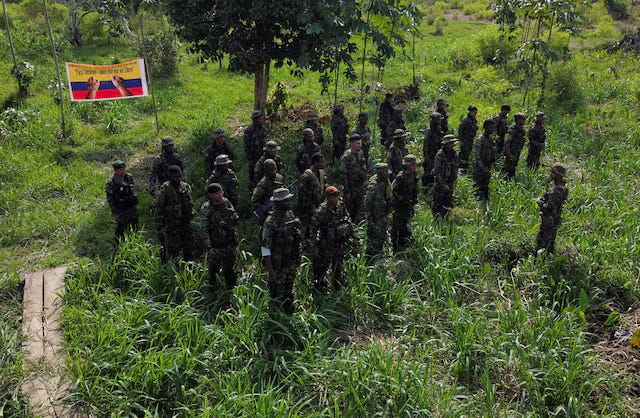
The FARC-SM is a FARC remnant group that emerged in 2019 when several commanders of the original FARC decided to return to guerrilla activity, accusing the Colombian state of violating the 2016 peace agreement.
Though it originally portrayed itself as the return of the original FARC, the FARC-SM has since fallen into serious decline, suffering major losses in wars against the FARC-EMC and ELN. In 2024, the FARC-SM was further weakened by a serious rupture following a breakdown of communication between FARC-SM leader Ivan Marquez and the group’s top negotiator, Walter Mendoza, leading the majority of FARC-SM members to leave the group, forming the Bolivarian National Army Coordinator (FARC-CNEB). As of 2025, the FARC-SM was only believed to have approximately 500 members that are spread throughout parts of central and eastern Colombia.
Leadership Structure
Today, the FARC-SM is led by Ivan Marquez, a former commander of the original FARC. Though he has been reported dead on several occasions, Marquez is believed to still be alive and in hiding somewhere in Venezuela. However, he is allegedly in poor health following multiple injuries and assassination attempts. He is also reportedly paranoid, leading to internal purges of his personal guard.
Bolivarian National Army Coordinator (FARC-CNEB)
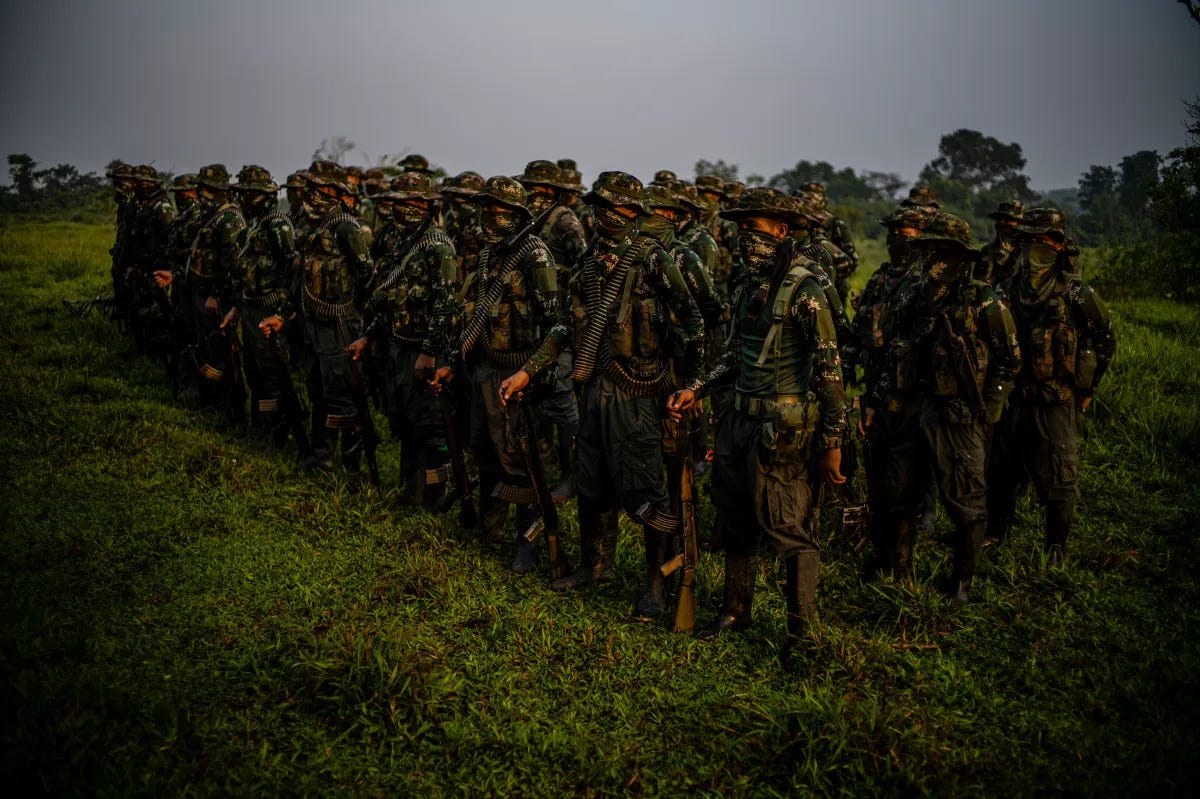
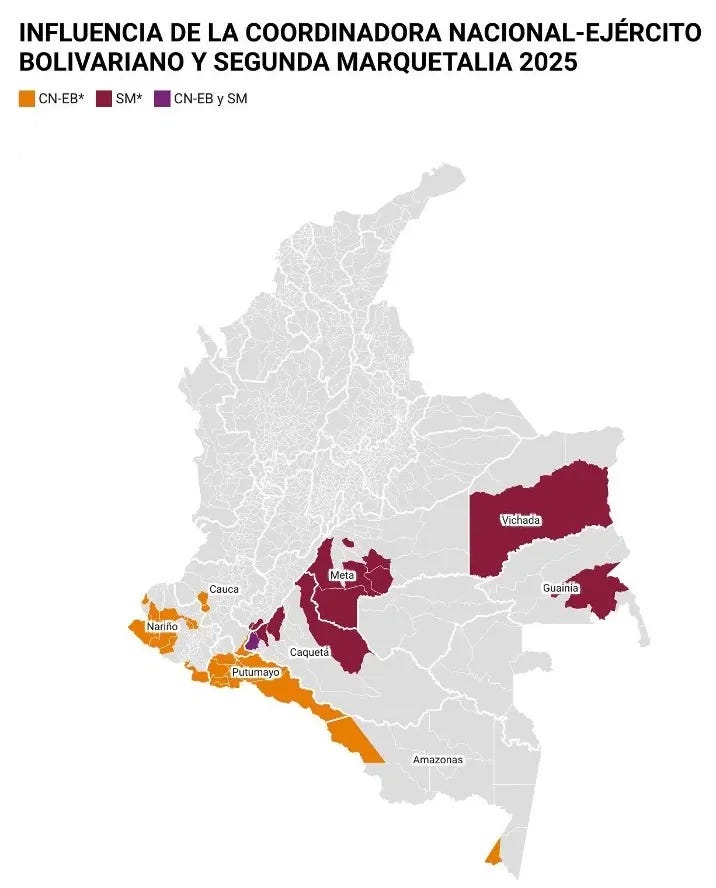
The FARC-CNEB is a breakaway faction from FARC-SM that emerged in 2024. It was formed by two of the FARC-SM’s most powerful substructures, the Pacific Guerrilla Coordinating Committee (CGP) and Border Commandos (CDF) and was believed to have approximately 2,000 members as of 2025. It was active in both southern Colombia and northern Ecuador, where it collaborated with Ecuadorian gangs including Los Lobos.
Leadership Structure
The leadership structure of the FARC-CNEB is unclear. However, the leaders of the Pacific Guerrilla Coordinating Committee (CGP), known as Walter Mendoza, and the Border Commandos (CDF) appear to share power. This indicates the FARC-CNEB is better described as an alliance between FARC remnant structures rather than a hierarchical organization. This also means the FARC-CNEB could split if ever the CGP and CDF’s interests no longer aligned.
Pacific Guerrilla Coordinating Committee (CGP) Active in the Colombian department of Nariño and in northern Ecuador.
Oliver Sinisterra Front
Ivan Rios Front (Los Contadores)
Diomer Cortez Front
Ariel Aldana Front
Mariscal Sucre Front
Border Commandos (CDF, Mafia de Sinaloa) Active in the Colombian departments of Amazonas, Nariño, and Putumayo as well as parts of Northern Ecuador.
Other/Independent FARC Remnant Groups
57th Front (Yair Bermudez) Competing with the FARC-EMC and FARC-EMBF for territory in Cauca, Quindio, and Valle de Cauca.
Acacio Medina Front Possibly the most powerful FARC remnant group in Venezuela. Has vacillated between supporting the FARC-EMC and FARC-SM, but its current allegiances are unclear.
Los Cabuyos Peasant Block (Peasant Guerrillas Los Cabuyo) Broke away from the FARC-EMC in 2022 over financial disputes. Current activity is limited to the urban areas of Briceño, Antioquia.
People’s Armed Commandos (CAP)
The CAP was a far-left insurgency and urban militia primarily based in the Comuna 13 zone of Medellin. It was founded between 1995 and 1996 in the University of Antioquia by an anarchist known as El Mono, and was comprised of former members of disarmed local militias and dissident members of the ELN. The group was apparently dissolved following Operation Orion, a 2002 military operation to regain control of Comuna 13.
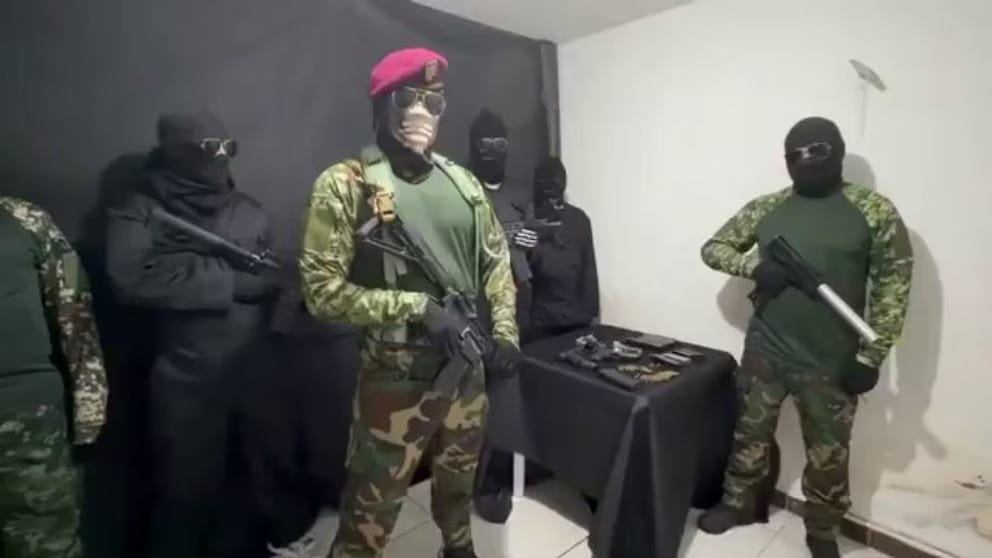
In July 2026, an armed group calling itself the CAP posted a video to social media in which it claimed it took up arms to defend the civilians of Segovia and Remedios from the FARC-EMBF and EGC, rival armed group fighting for control of the region. In the video, the CAP also promised a “social cleansing” of Segovia and Remedios, and to wage a “frontal war against the guerrillas” and their “collaborators.”
The new CAP’s true origins, strength, and affiliations are currently unknown.
Popular Liberation Army (EPL)
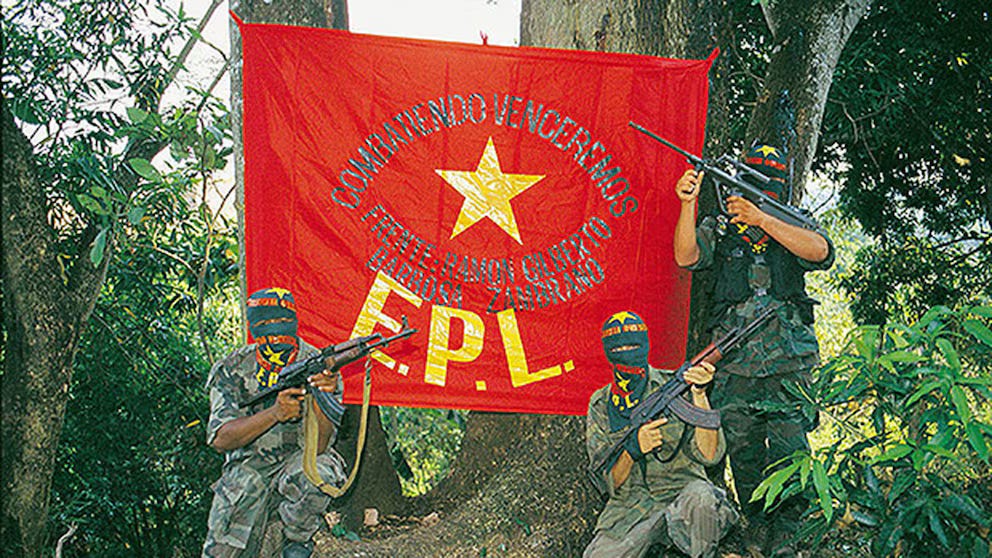
The EPL, also known as Los Pelusos, originally emerged in 1967 as an armed wing of Colombia’s Communist Party under the Maoist ideology of a protracted people’s war. Though the EPL officially demobilized in 1991, its Libardo Mora Toro Front refused to disarm and remains active in the Colombian department of Norte de Santander, part of Colombia’s Catatumbo region.
After the 2015 death of EPL leader Megateo, the group became effectively leaderless, and suffered further schisms following a brutal war with the ELN for control of Catatumbo in which the EPL was soundly defeated. Today, much of the EPL has been absorbed into other criminal groups, with InSight Crime declaring the EPL was “extinct” as of December 2025. However, recent reports indicate that remnants of the EPL may still be active.
Right-Wing Paramilitaries (AUC Remnants)
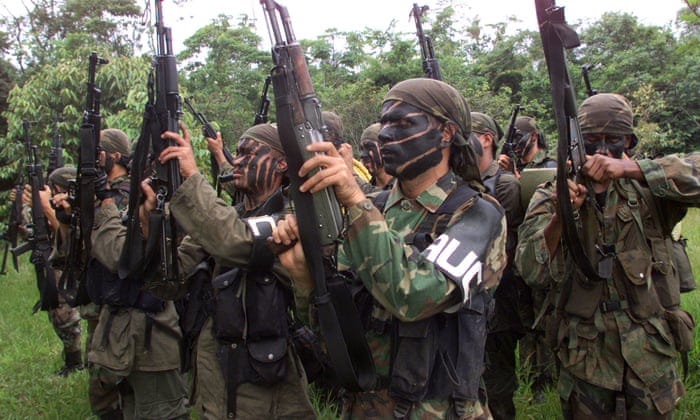
The modern version of paramilitarism in Colombia originated in the late 1970s when small, regional self-defense forces emerged to compete with left-wing guerrillas and perform counterinsurgency work for the Colombian security forces. By the 1980s, major landowners, business leaders and drug cartels, all threatened by insurgencies like the FARC, had adopted this paramilitary model and started creating their own private armies and coordinating with the Colombian military to preserve their economic interests. These paramilitaries were notable for their extreme violence, being responsible for more civilian casualties than the guerrillas or military combined.
In 1997, these various paramilitary groups united, forming the National Self-Defense Forces of Colombia (AUC). Though the AUC officially demobilized in the early 2000s, the process was deeply flawed, leading to the formation of multiple splinter groups that continue to operate in Colombia today.
Gaitanista Army of Colombia (EGC, Gulf Clan)
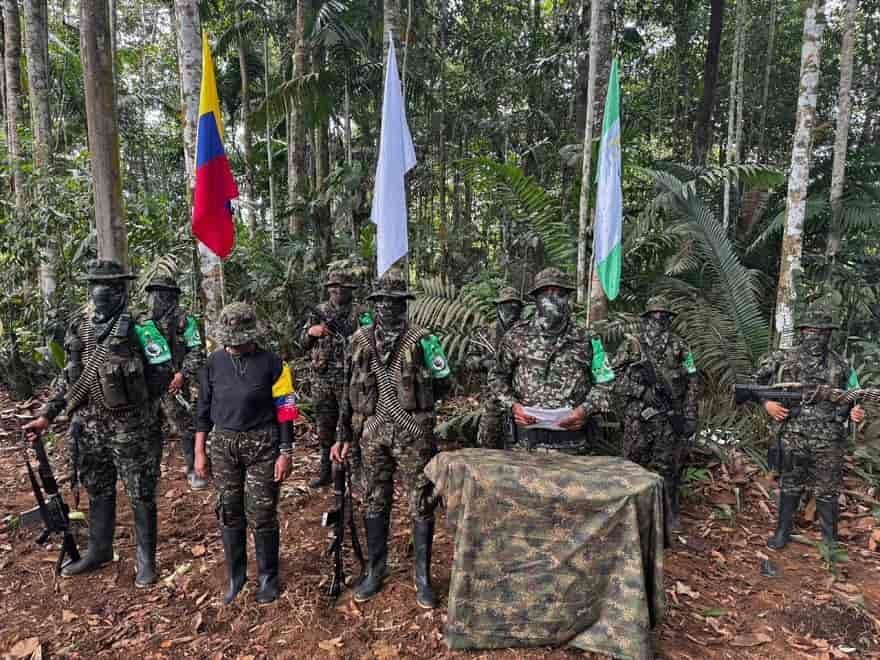
As of 2026, the Gaitanista Army (also known as the EGC, AGC, Gaitanistas, Gulf Clan, or Urabeños) was Colombia’s dominant armed group. It emerged in the late 2000s when remnants of the AUC organized in the northern Colombian region of Uruba, near the border with Panama, an area with lucrative drug trafficking routes and access both the Atlantic and Pacific coasts. Over time, the group merged with other paramilitary forces and the remnants of the People’s Liberation Army (EPL), adding "disciplined and capable” fighters to its ranks.
As of 2025, the EGC was believed to have close to 10,000 members, making it Colombia’s largest armed group. It controls vast regions of Colombia’s north and Pacific coast and is actively competing with the ELN and FARC-remnants for access to the Venezuelan border. Recent arrests also indicate the EGC may be spreading into Panama.
Leadership Structure
The EGC uses a “mixed network model,” where approximately one third of its forces answer directly to the EGC’s commander Chiquito Malo, based in Uruba. The rest are local criminal groups and cells that use the EGC’s name and iconography and are expected to serve the EGC’s broader strategic goals “when called upon,” but otherwise operate independently and are financially self-sufficient. This model has allowed the EGC to remain cohesive and adaptable when its leaders are killed or captured.
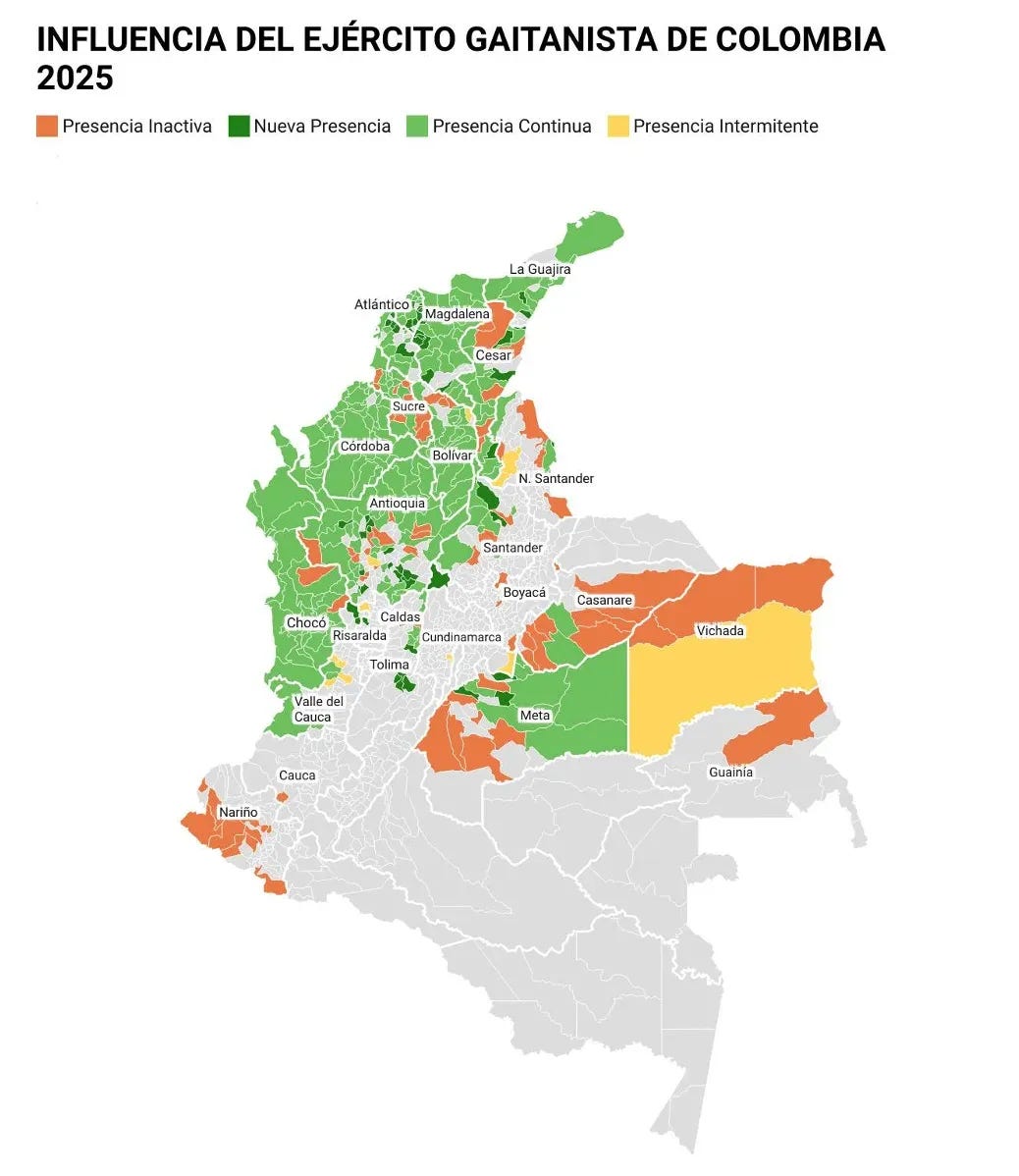
Self-Defense Forces of Uruba Block Active in Colombia’s Uruba region, which includes portions of the departments of Choco, Antioquia, and Cordoba.
Uruba Front
Uruba Central Front (Central Front)
Central Front Allegedly
Sinu Front
Arboletes Front (Suley Guerra Front)
Suley Guerra Central Front
Carlos Vasquez Front
Monteria Front
Liberators (Pacifiers) of Baja Cauca Block Active in the Baja Cauca region of Antioquia.
Heroes of Castaño Block
Francisco Jose Morelo Peñate Front
Liborators of Baja Cauca Front
Julio Cesar Vargas Front
Jose Filipe Reyes Front
Lorenzo Front
Ruben Dario Avila Front
Francisco Javier Reyes Front
Elmer Ordoñez Beltran Front
Edwin Roman Velazquez Valle Substructure Active in the Betulia and Urrao municipalities of Antioquia.
Ferney Antonio Lopez Polo Front Active in Cesar and Norte de Santander.
Oliverio Isaza Gomez Block Active in northern Tolima.
Tolima Block
Edgar Madrid Benjumea Substructure Active in Bolivar.
Leonidas de la Rosa Vasquez Front (Baudo) Active in Choco.
Valle Front Active in Valle de Cauca.
Yafferson Madera Substructure
Virgilio Peralta Arenas Brigade (Los Caparrapos)
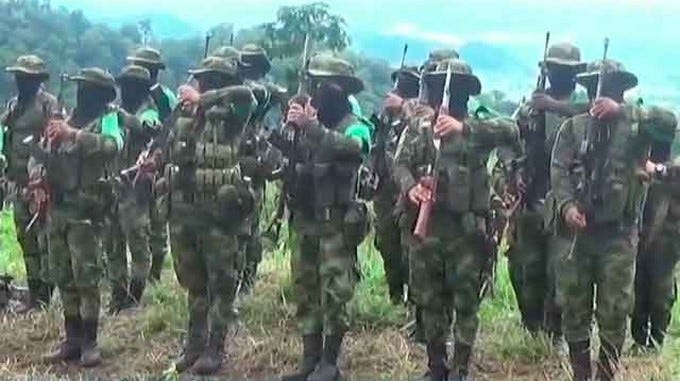
The Virgilio Peralta Arenas Brigade (BVPA), also known as Los de Abajo, Los Caparrapos, Los Paisas, or simply Los Carrapos, was once an armed structure of the EGC that broke away in 2017, forming a new armed group in the Colombian departments of Antioquia and Cordoba to seize control of territories once controlled by the FARC. It is actively at war with the EGC for territory and has allegedly entered into tense alliances with left-wing insurgents including the FARC-EMBF and the ELN. It was believed to have approximately 450 fighters as of 2024.
Leadership Structure
Much of Los Caparrapos’ leadership structure is unknown, but as of 2024 it was allegedly led by an individual known as El Negro Cristian.
Elmer Ordoñez Beltran Front
Carlos Mario Tabares Front
Norberto Olivares Front
Francisco Morelos Peñate Front Allegedly a separate breakaway faction from the EGC that has joined forces with Los Caparrapos. It is active along the Nechí River, in El Bagre, Zaragoza, and Caucasia.
Conquerors Self-Defense Forces of the Sierra Nevada (ACSN)
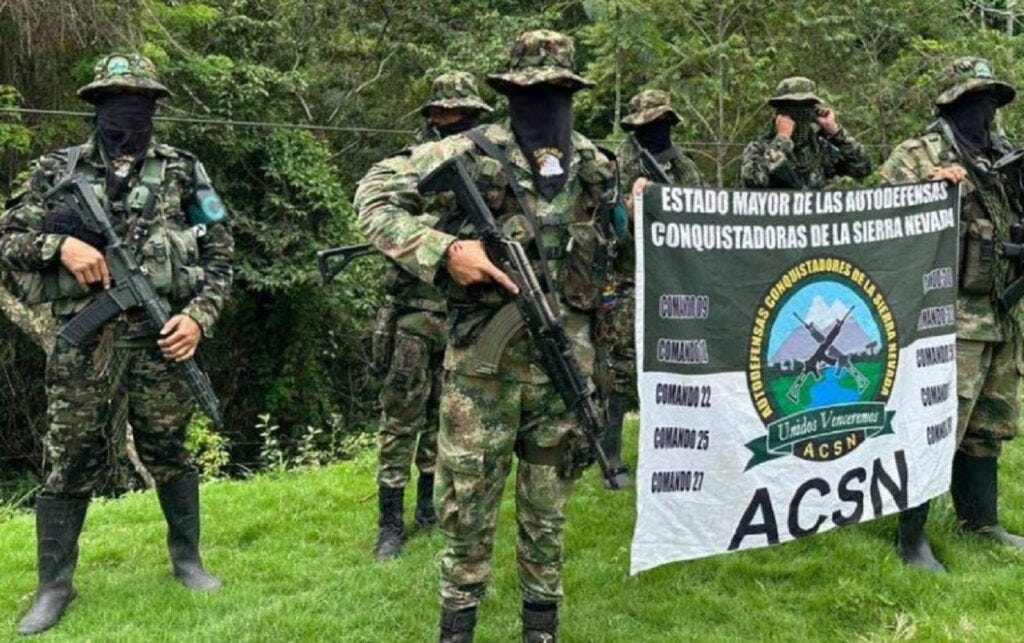
The Conquerors Self-Defense Forces of the Sierra Nevada (ACSN), also known as Los Pachenca is an armed group that splintered off from the notorious paramilitary Self-Defense Forces of Colombia (AUC) following its demobilization in the 2000s. Today, it is based in the Sierra Nevada de Santa Marta region in Colombia’s north, which it has controlled since at least 2018, giving it access to both Colombia’s Caribbean coast, Catatumbo region, the Venezuelan border, and the lucrative trafficking networks that flow through the area. It is currently at war with the Gaitanista Army (Gulf Clan).
Though numbers for the ACSN are difficult to pin down, it’s believed to have less than 1,200 members, far fewer than the EGC’s force of 9,000 fighters. However, the ASCN has remained resilient after more than seven years of war due to its entrenchment within local communities and alliances with “small hitman gangs” in its territory.
Leadership Structure
The leadership of the ACSN is allegedly composed of family members and allies of Hernan Giraldo Serna, a former AUC commander, though he has denied any direct ties to the group. An individual known as Pinocho, a former fighter under Giraldo Serna in the AUC, is believed to command the ACSN’s operations on the ground.
Condor Block Based in Colombia’s Sierra Nevada de Santa Marta region. Is believed to include the ACSN’s leadership.
Cacique Urban Front Among the most influential fronts of the ACSN. Controls Santa Marta and its metropolitan areas. Includes an elite group of hitmen known as La Especial.
Bananero and Metro Fronts Active in Baranquilla.
Renacer Front (Javier Caceres)
Cristobal Duarte Front
Libardo Vergel Front
Peasant Resistance Front
Other Paramilitary Groups
Note: An armed group must have direct reported ties to the AUC to be categorized as a paramilitary in this catalogue.
Los Shottas and Los Espartanos Rival factions of La Local, a criminal organization founded by former members of the AUC’s Calima Block. Today, they are battling for control of Buenaventura and its port.
Los Puntilleros Comprised of former members of the AUC’s Centauros Block and sponsored by a pair of jailed drug kingpins. Is allegedly allied with the Gaitanista Army (Gulf Clan). Active in the Colombian departments of Meta and Vichada.
Liberators of the Present Northeast (LDNP) An armed group made up of former members of the AUC that emerged in 2018 to compete with the EGC in Antioquia. Based in the municipality of Segovia, but is believed to have connections in the department of Meta as well.
La Cordillera An armed group once affiliated with the AUC with ties to gangs and criminal rackets in the Colombian departments of Caldas, Quindio, and Risaralda.
New Coastal Block An armed group lead by former members of the AUC active in the Colombian departments of Atlantico and Magdalena. As of 2019, it was allied with the EGC against the ACSN.
Aguilas Negras A “blanket name” for criminal organizations linked to the former AUC and dedicated to protecting their illicit interests.
Cartels and Gangs
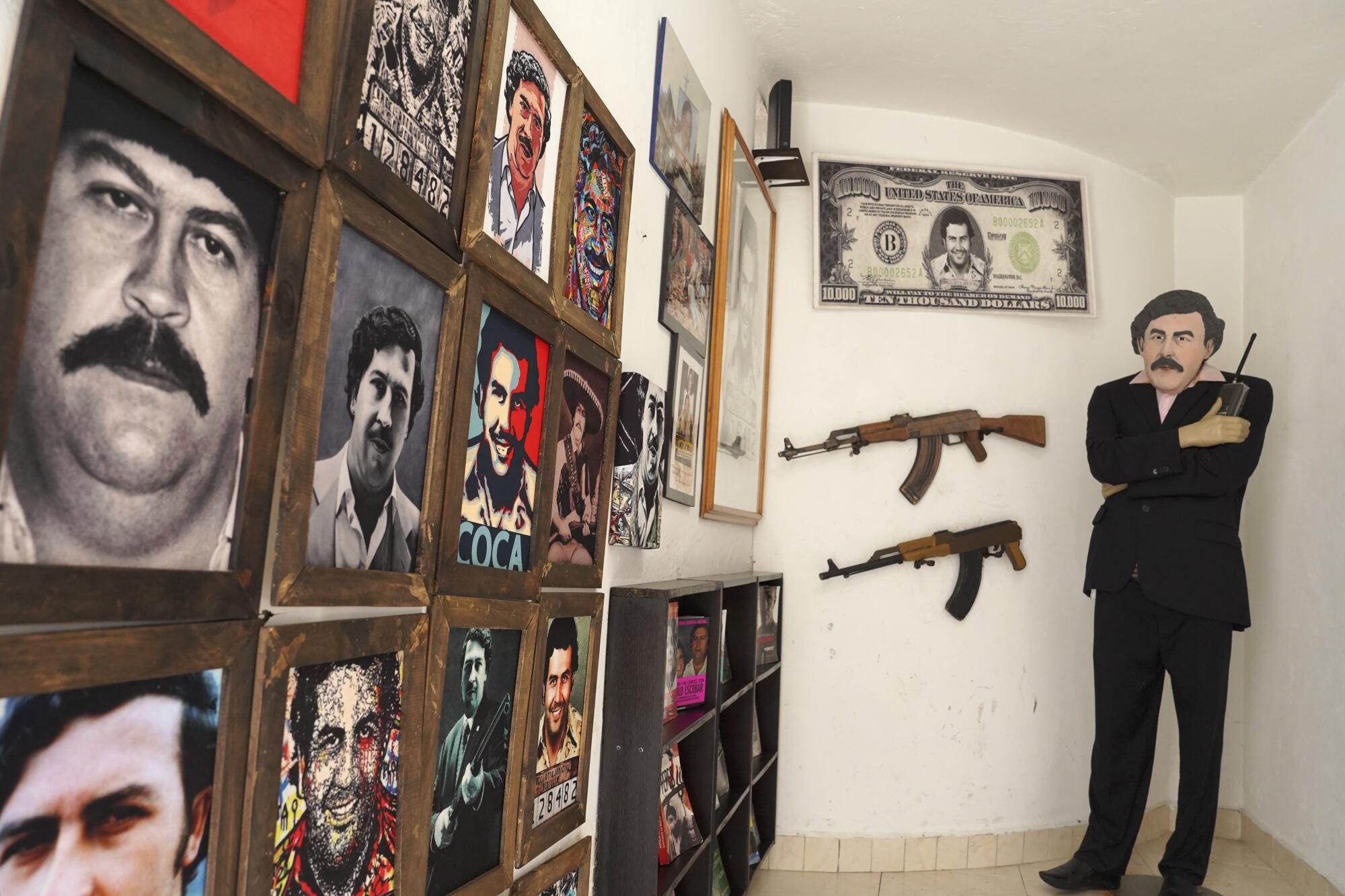
In addition to left-wing insurgencies and right-wing paramilitaries, Colombia is also home to smaller, local criminal networks with armed capabilities. These include remnants of Colombia’s infamous cartels and urban gangs.
Some prominent Colombian cartels and gangs include:
La Oficina de Envigado Founded by the Medellin Cartel to collect debts. Controls the illicit economy in Medellin, Antioquia. Has also become an extensive criminal organization in Colombia providing contract killing and money laundering services for local and international criminal organization, including Hezbollah from Lebanon.
Norte del Valle Cartel A network of criminal factions descended from the Cali Cartel. Infighting led to the creation of two armed wings that actively competed with each other in Colombia’s Catatumbo region along the Venezuelan border, Los Rastrojos and Los Machos.
Los Pachelly A gang from the town of Bello near Medellin in Antioquia. As of 2019, it had also expanded into illegal mining in other areas of the department.
El Mesa One of Colombia’s largest gangs as of 2026. The group originally formed in the town of Bello near Medellin in the 1980s, and leveraged alliances with the ELN, FARC, Oficina de Envigado, and other regional criminal groups to expand its reach. As of 2026, the gang was active in several regions of Antioquia including Medellin as well as in Colombia’s capital city of Bogota, and was responsible for the trafficking of narcotics and extortion.
Indigenous Militias
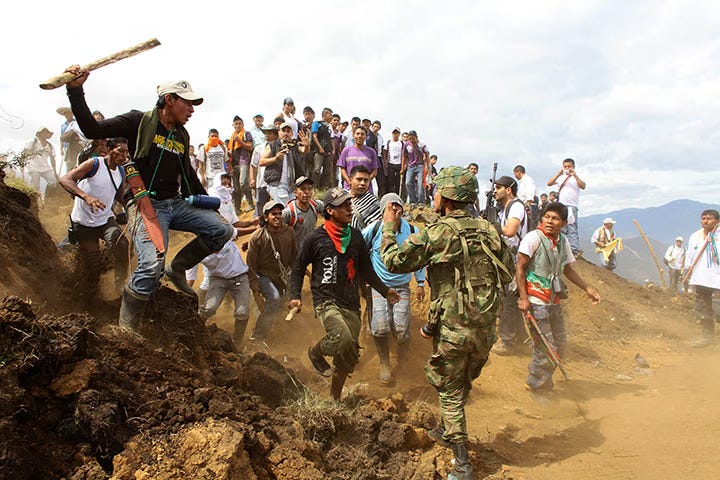
Colombia’s Indigenous Guards are mostly unarmed, primarily using traditional staffs carved from chonta wood for self-defense and to combat Colombia’s armed groups. However, there have been limited occasions of Colombia’s Indigenous communities using guns and explosives in territorial disputes. A May 2026 territorial clash between the Nasa and Misak communities in Cauca caused at least 7 deaths and wounded over 100, with most injuries coming from gunshots.
If you find Armed Groups of Colombia valuable, consider sending a donation. The amount is up to you. Thank you!