
Under-Age Guerrillas
How Colombia's armed groups recruit minors into their ranks
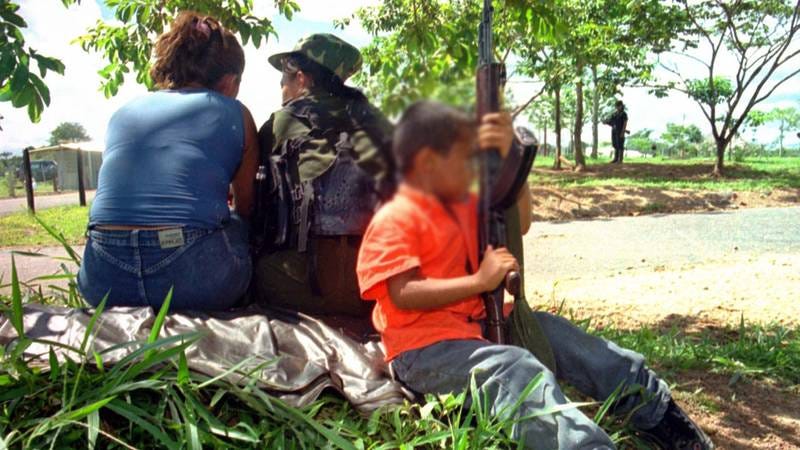
In March 2026, members of the Rodrigo Cadete FARC front approached the home of a peasant family in Caqueta. The guerrillas’ demand was simple; the parents must hand over five of their children, ages 3–15, or be executed. In desperation, the parents told the children to hide in the nearby Amazon rainforest, entrusting them to the care of the oldest daughter, age 18, and giving them strict instructions to remain out of sight but near the home. The parents then stayed behind to buy the children time to reach the safety of the Amazon’s thick foliage.
By the time the FARC returned on March 18th, the children were missing. In retaliation, both parents were taken and sentenced to death. However, after 11 days of captivity, the parents managed to escape, fleeing to a military unit on the banks of the Caguan River. There, they reported what had happened and begged for their children to be found and rescued.
This triggered a frantic race against the guerrillas, who vowed to forcibly recruit the children unless their parents returned to captivity. Fortunately, the children managed to remain hidden, though they were forced to move “long distances” though the rainforest to evade capture. The Colombian Army finally found the children around 3 am on March 31st, noting they were in “an extreme state of exhaustion” after almost 2-weeks on the run. General Edilberto Cortes, who commanded the Army unit, expressed relief when he spoke to local media later that day, stating: “Thank God we arrived before the bandits; otherwise, the story would have been different.”

While tragedy was avoided in this particular instance, it highlights Colombia’s resurging child recruitment crisis. Though it became less common following the 2016 disarmament of the original FARC, hopes that child recruitment in Colombia would end have been shattered as FARC remnants, the National Liberation Army (ELN), and paramilitaries like the Gaitanista Army (EGC) have all come to embrace the practice. As of 2024, a local expert opined that, while child recruitment statistics in Colombia remained below their peak in the early 2000s, the reduction was “due to under-reporting” as communities controlled by armed groups were too afraid to speak out.
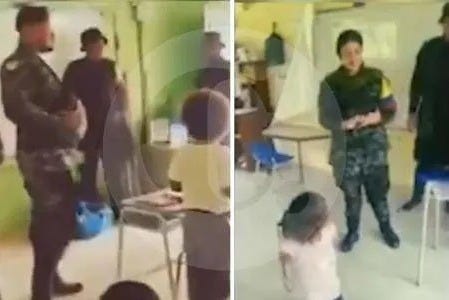
Armed groups have multiple motives for recruiting minors. The first is to quickly bolster their ranks with cheap and expendable fighters. The practice also serves as a powerful means to exert social control over civilians in their territories, as armed groups can threaten to forcibly recruit children as punishment if parents resist their rule.
However, child recruitment is not always coercive. Sometimes minors are drawn to armed groups as a way to escape poverty or broken homes. Armed groups like the Central General Staff (FARC-EMC) have been known to distribute propaganda in schools and on sports fields while, in Catatumbo, the ELN allegedly tried to entice at least one young man with a salary and a “female guerrilla fighter.” Armed groups have also been known to leverage social media networks such as TikTok and Facebook to contact minors and encourage them to enlist.

Regardless of how they were recruited, child soldiers must either “commit atrocities” to demonstrate their loyalty to the armed group or be beaten. They also often face sexual abuse, particularly young girls, and are seen as expendable by guerrilla commanders who place them on the front lines or assign them “high-risk tasks.” Any minors caught trying to escape are executed while those who remain risk being killed if they are reported missing or their families draw the armed group's ire. Minors who do manage to escape face trauma and social stigmatization that sometimes drive them to return to guerrilla activity.
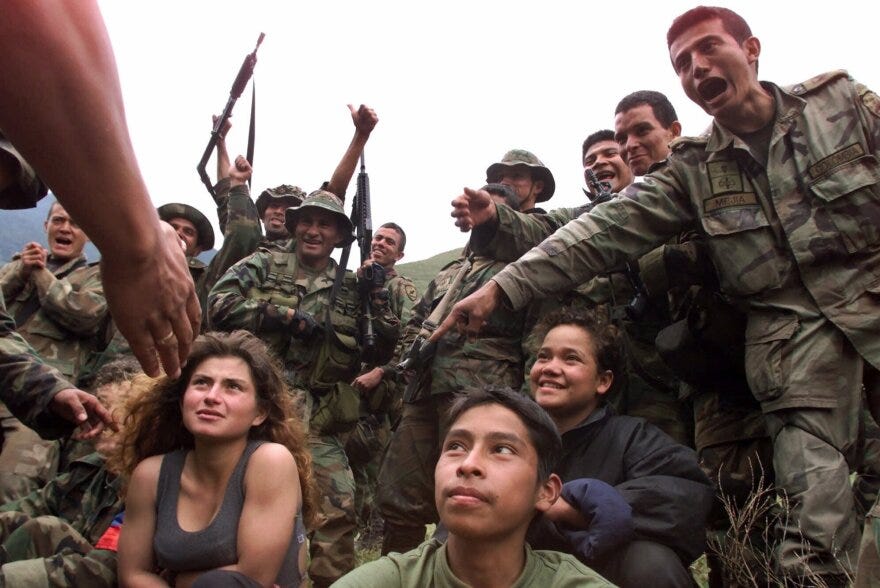
As Colombia’s ongoing peace processes collapse and armed groups fragment, child recruitment will continue to increase. Measures must be taken to improve the security of at-risk communities and hold perpetrators accountable. Resources must also be provided to help minors who are rescued to reintegrate into civilian life. Otherwise, children will continue to be a low-risk and low-cost resource for armed groups to exploit.
Next week, Armed Groups of Colombia will explore the rise and fall of FARC-EMC commander Ivan Mordisco and the impact he has had on Colombia’s criminal landscape.
If you find Armed Groups of Colombia valuable, consider sending a donation to support my work. The amount is up to you. Thank you!