
War in Guaviare
How the fragmentation of the FARC-EMC has led to Colombia's deadliest massacres in almost a decade
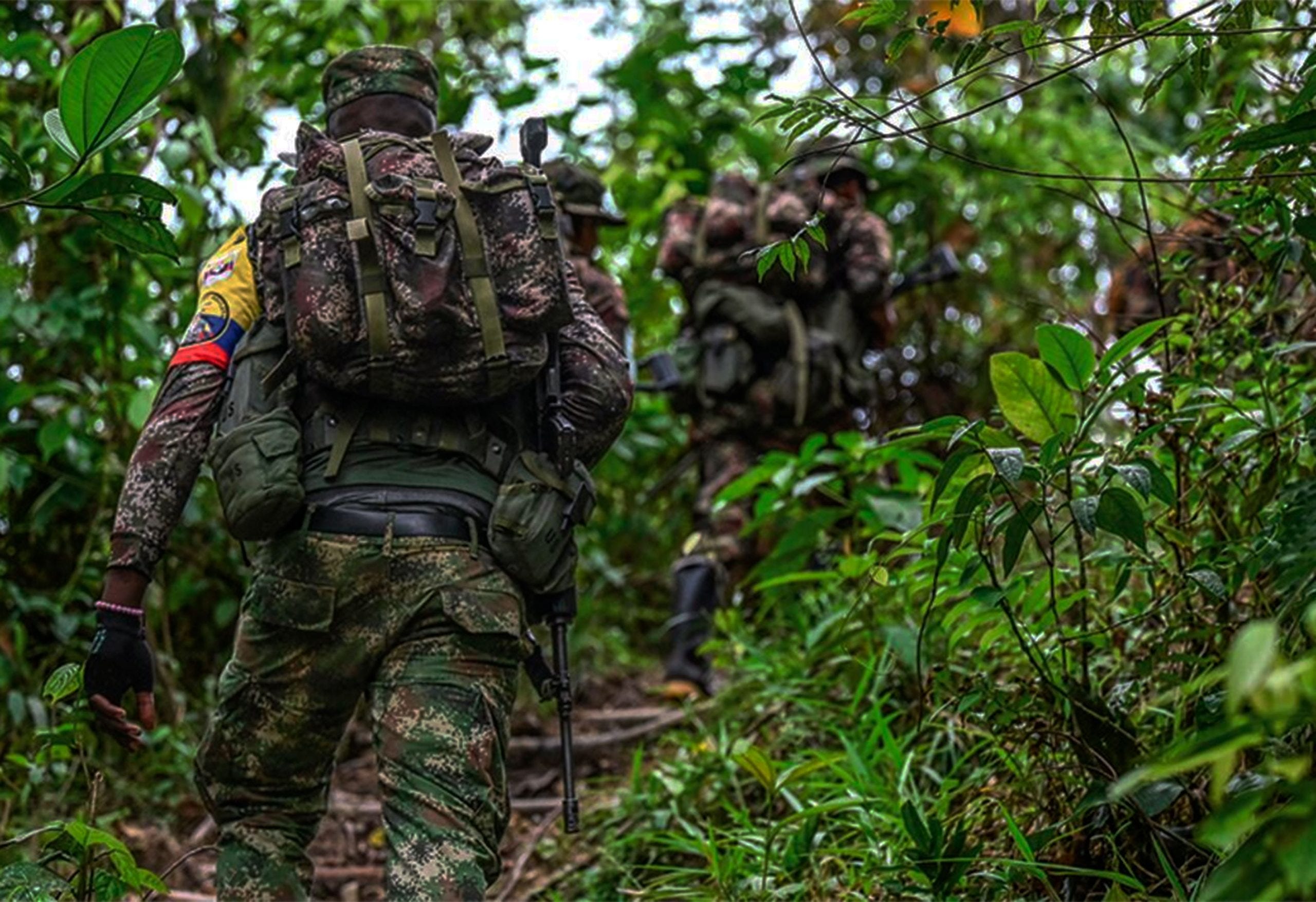
In late January 2026, approximately 40 men and women from the Martin Villa FARC Front were resting in a guerrilla camp in El Retorno, Guaviare during the heat of midday. While they slept, the camp was surrounded by more than 100 members of the Isaias Carvajal FARC Front. Rather than attack them directly, the Isaias Carvajal FARC proceeded to disarm the Martin Villa FARC before massacring them, killing at least 26.

Several months later, approximately 30 km from the massacre site, Isaias Carvajal FARC fighters were resting in their own encampment in the hamlet of La Siberia, near the department capital of San Jose de Guaviare. In late May, before dawn, roughly 250 Armando Rios FARC fighters proceeded to surround the encampment before launching a surprise attack of their own.
According to the Isaias Carvajal Front’s leadership, its fighters successfully “broke the siege,” triggering three hours of intense combat which spread into neighboring rural and cattle farming sectors. When the fighting subsided, the area was littered with approximately 50 dead fighters, making this the deadliest single clash between Colombian armed groups since at least 2018. Among those killed were 11 minors recruited into FARC remnant ranks and an individual known as “Negro Primo” or “Domingo Bioho,” commander of the Antonio Ricuarte FARC Front and likely an ally of the Armando Rios FARC in the ambush.

At the root of the current conflict in Guaviare is the region’s lucrative coca plots. As far back as the 1970s, Guaviare’s heavy forests, remoteness, and the limited presence of Colombian security forces made it an appealing destination for impoverished farmers. By the 1980s, vast areas of the region had been cleared to cultivate coca, making Guaviare an epicenter of Colombia’s growing cocaine trade.
The same features that made Guaviare appealing to coca farmers also drew in the FARC which, by 1987, had begun taxing the region’s drug trade. By the late 1990s, the FARC had become the dominant force in Guaviare, successfully repelling criminal competitors such as the cartels and paramilitaries. Though the FARC’s hold over the region weakened after a series of US-backed military operations in the 2000s, it still maintained a lasting presence into the 2010s.
When the FARC officially demobilized in 2016, multiple FARC commanders throughout Colombia refused to disarm, giving rise to the FARC remnant movement. Among the most prominent of these was Ivan Mordisco, commander of the FARC 1st Front based in Guaviare. In the years that followed, the FARC 1st Front became an epicenter around which other FARC remnant groups coalesced, giving rise to the Central General Staff (FARC-EMC).

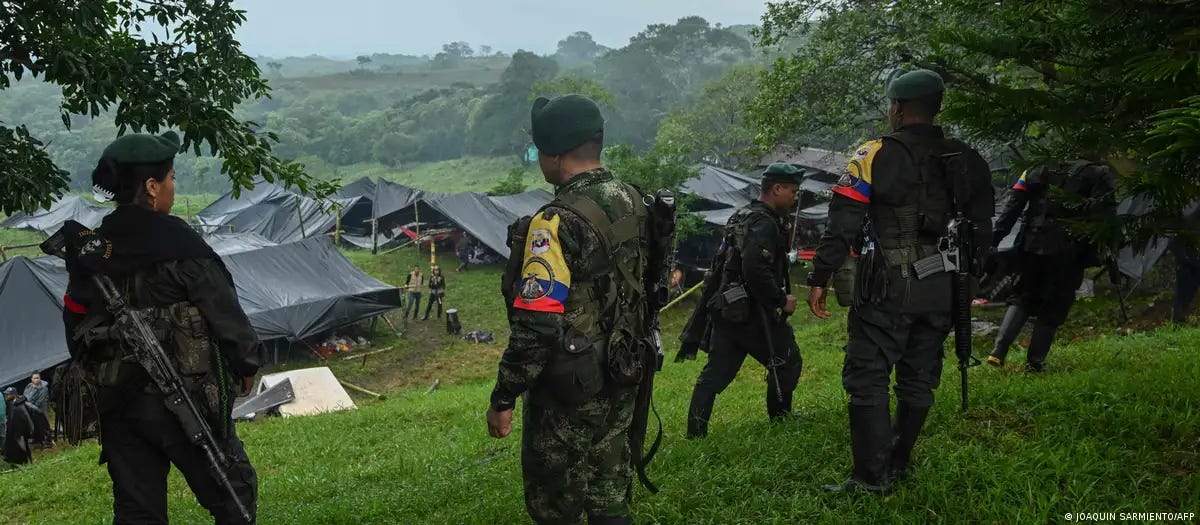
From its inception, the FARC-EMC enjoyed a dominant presence in Guaviare. However, disputes over whether to negotiate or wage war against the Colombian state led to an internal schism in 2024, culminating in several FARC-EMC branches breaking away to form a new FARC coalition known as the Central Staff of Blocks and Front (FARC-EMBF). Among these was the Jhon Linares FARC, a guerrilla structure in Guaviare that includes the Isaias Carvajal FARC Front. Starting in March 2025, the Jhon Linares FARC were already competing with the FARC-EMC.
Today, Guaviare has become a bloody piece of the larger war between the FARC-EMC and FARC-EMBF for control of Colombia’s coca cultivation and drug trafficking routes. The violence’s proximity to the first round of Colombia’s presidential election, coupled with the campaign’s emphasis on security issues, also means it may have helped far-right lawyer Abelardo de la Espriella’s achieve his surprise first place finish on May 31st. However, regardless of who wins the presidency on the June 21st runoff, violence in Guaviare and other remote regions of Colombia will remain a difficult issue for the new president to address.

The violence persists, primarily, because of the Colombian government’s consistent failure to establish a permanent presence in the country’s most impoverished and remote regions. This leaves vast territories ripe for FARC remnants and other armed groups to control and exploit. Whether Colombia’s next president continues negotiating with FARC remnants or returns to the “total war” footing of the 2000s, guerrillas will remain a constant menace in Guaviare so long as government forces leave when their mission is done.
Next week, Armed Groups of Colombia will return to Venezuela to analyze recent developments in President Delcy Rodriguez’s relationship with Colombian armed groups.
If you find Armed Groups of Colombia valuable, consider sending a donation to support my work. The amount is up to you. Thank you!